Sanjoy Sen is a chemical engineer. He contested Alyn and Deeside in the 2019 general election.
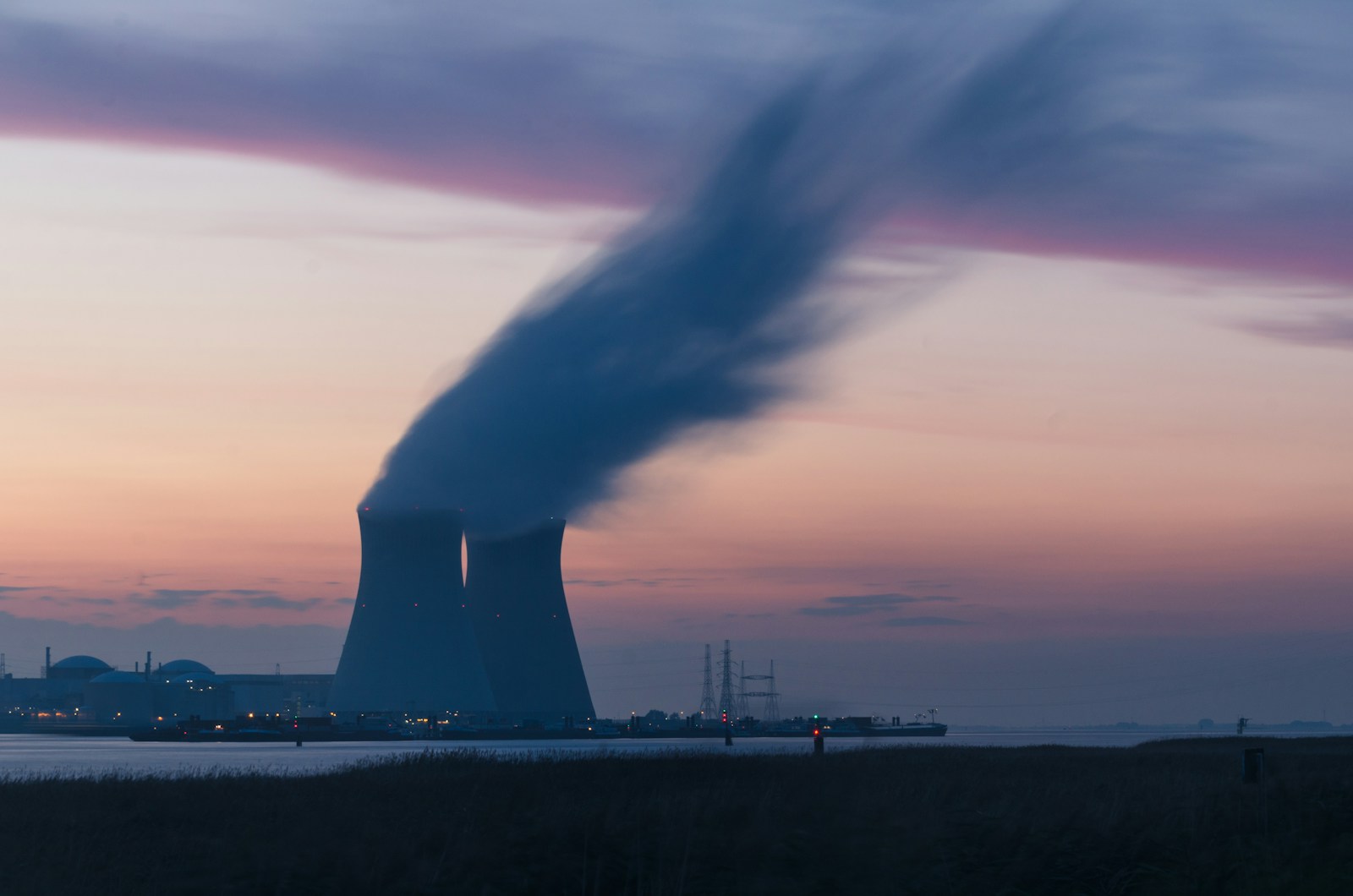
Almost six years have passed since I last covered small modular nuclear reactors (SMRs) here on ConHome. In which time we’ve seen four prime ministers, one pandemic and a war in Europe. But this month, SMRs finally made it to the top of someone’s inbox. Via Great British Energy-Nuclear, we now have a commitment to three SMRs at the former Wylfa Magnox site on Anglesey.
SMRs are intended as a quicker and cheaper route to the nuclear power that Westminster considers essential to meeting Britain’s rising demand for electricity. And their developer, Rolls-Royce, sees billions in export potential if they can win the race to market. SMRs certainly sound promising but challenges await.
The British electricity sector is virtually unrecognisable from a generation ago. Coal disappeared off the national grid in 2024 with wind now our biggest power source. Gas remains vital but as domestic North Sea output falls (hampered by taxation and the drilling ban), we find ourselves increasingly dependent on the still-buoyant Norwegian sector and liquefied shipments of American fracked gas.
Whilst de-industrialisation has seen national electricity consumption decline since the 1970s, new factors are reversing the trend. As the move to electrify transport and heat gathers pace, requirements could triple by 2050. Already a quarter of new car registrations are electric although the 2030 petrol-diesel phase-out is still clearly something of a stretch. Currently only 1% of homes have a heat pump but if installation costs fall, these could start to displace gas boilers and add to power demand.
Post-Chernobyl, nuclear fell out of favour. But with 16 per cent of our power now imported from Europe via subsea interconnectors, a consensus has emerged that nuclear is again essential for national energy security. With no new reactors since 1995, the Con-Lib coalition signed off on the giant 3.2 giga-watt Hinkley Point C. Post Ukraine, the Johnson administration ramped ambitions up to 24 giga-watts by 2050. And Starmer has recently committed to a Hinkley copy, Sizewell C.
Big nuclear projects, however, bring big challenges. Hinkley is years late and way over budget. And hosting Europe’s largest construction site has brought challenges to rural Somerset. Sizewell opponents are mobilising in Suffolk.
In response, the SMR concept builds the key elements of a nuclear power station (including the reactor itself) in a controlled factory environment. These are then transported to site for relatively quick installation. But whilst manufacturers promote the efficiencies of churning out multiple identical units on a production line, note that SMRs are still relatively unproven – there is a learning curve to be climbed. (As an aside, they do kind of exist in nuclear submarines but their design and standards differ from commercial applications).
SMRs could also make nuclear easier to finance. Hinkley Point C uses a Contracts for Difference (CFD) model where the investors are currently taking the pain of soaring up-front capital costs and will look to offset these by via a premium strike price for the power. In response, Sizewell C will use a Regulated Asset Base (RAB) model where the taxpayer takes a share of investment risk. Either way, big nuclear is a game that only governments and big business can play. Cheaper SMRs potentially allow in a wider range of investors: Europe’s first privately-financed nuclear power might soon be coming to Teesside.
In theory, every town or industrial site could have its own SMR. But despite inherent design safeguards to prevent meltdowns, there are clearly security issues in proliferating nuclear sites across the country. More realistically, one or several SMRs could be sited at former power stations, bringing regeneration to redundant real estate and utilising existing grid connections.
Wylfa is an initial commitment to three SMRs (each of 470 mega-watt capacity) with the option for up to eight. Should things come to fruition, this creates 3,000 jobs in a region hit by industrial closures (including the original Wylfa reactor and the nearby aluminium smelter) and paves the way for advanced manufacturing and AI in North Wales. Interesting times for Plaid leader (and local Senedd member) Rhun ap Iorwerth who still opposes nuclear but now makes an exception for former sites, Trawsfynydd and Wylfa.
With Port Talbot switching its steelmaking to electric arc furnaces, on-site SMRs are already being touted. A future Plaid administration might yet find itself in disagreement with Westminster’s nuclear ambitions and seek devolved powers over large-scale power generation. As a parallel, the SNP has used its planning powers to block Scottish nuclear developments including the Grangemouth refinery SMR. So, what’s the catch?
Things haven’t exactly stood still in the last six years: over a hundred SMR designs now exist worldwide. And exporting nuclear technology brings political leverage. Russia and China have rolled out their first SMRs and the Americans also see major potential.
Following the ‘golden age’ deal signed during the Trump visit, X-Energy (with Centrica) plan up to 12 SMRs for Hartlepool. Meanwhile, Holtec intend to power data centres at a former coal site in Nottinghamshire. Pushing Westinghouse’s interests, US ambassador Warren Stephens was heavily critical of the choice of Wylfa for SMR.
Conservatives have historically led every stage of Britain’s nuclear story from Magnox in the 1950s to AGRs (Advanced Gas-Cooled Reactors) in the 1970s to PWRs (Pressurised Water Reactors) in the 1990s. And Wylfa is the result of a competition that kicked off almost a decade ago under the Cameron administration. But given Labour’s history, the biggest threat to SMRs might yet come from within.
Labour have had a mixed relationship with nuclear from Blair (“back on the agenda with a vengeance”) to Corbyn’s opposition to Starmer’s recent commitments. The fate of SMRs yet might sit with Ed Miliband, whose future is far from certain with even trade unions opposing his Net Zero zeal. Andy Burnham has also previously backed nuclear but will have internal factions to appease and economic priorities to balance should he make it to Number 10.
The first of a kind (FOAK) of anything is expensive. But the ‘nth’ of a kind (NOAK) is potentially much cheaper once design and manufacturing bugs are ironed out. But we have to build several to get to ‘n’: no getting cold feet when the first one over-runs.
It’s taken a long time to get here and there’s much left to do to unlock the potential of SMRs.
But a final word on safety. With British nuclear projects proving excessively lengthy and expensive, there are calls to tackle “ratcheting regulatory creep”. There are lessons from history here. In the 1950s, the scientist Sir John Cockcroft won the battle to install two giant filters at Windscale.
Derided at the time for delaying the project, ‘Cockcroft’s Follies’ came in kind of handy during the 1957 fire, preventing widespread contamination. Streamlining the planning process is one thing; tinkering with safety standards is another.




![Donald Trump Slams Chicago Leaders After Train Attack Leaves Woman Critically Burned [WATCH]](https://www.right2024.com/wp-content/uploads/2025/11/Trump-Torches-Powell-at-Investment-Forum-Presses-Scott-Bessent-to-350x250.jpg)

![Kamala Comes Unglued, Makes Bogus Claim About Her Landslide Loss to Trump [WATCH]](https://www.right2024.com/wp-content/uploads/2025/10/Kamala-Comes-Unglued-Makes-Bogus-Claim-About-Her-Landslide-Loss-350x250.jpg)