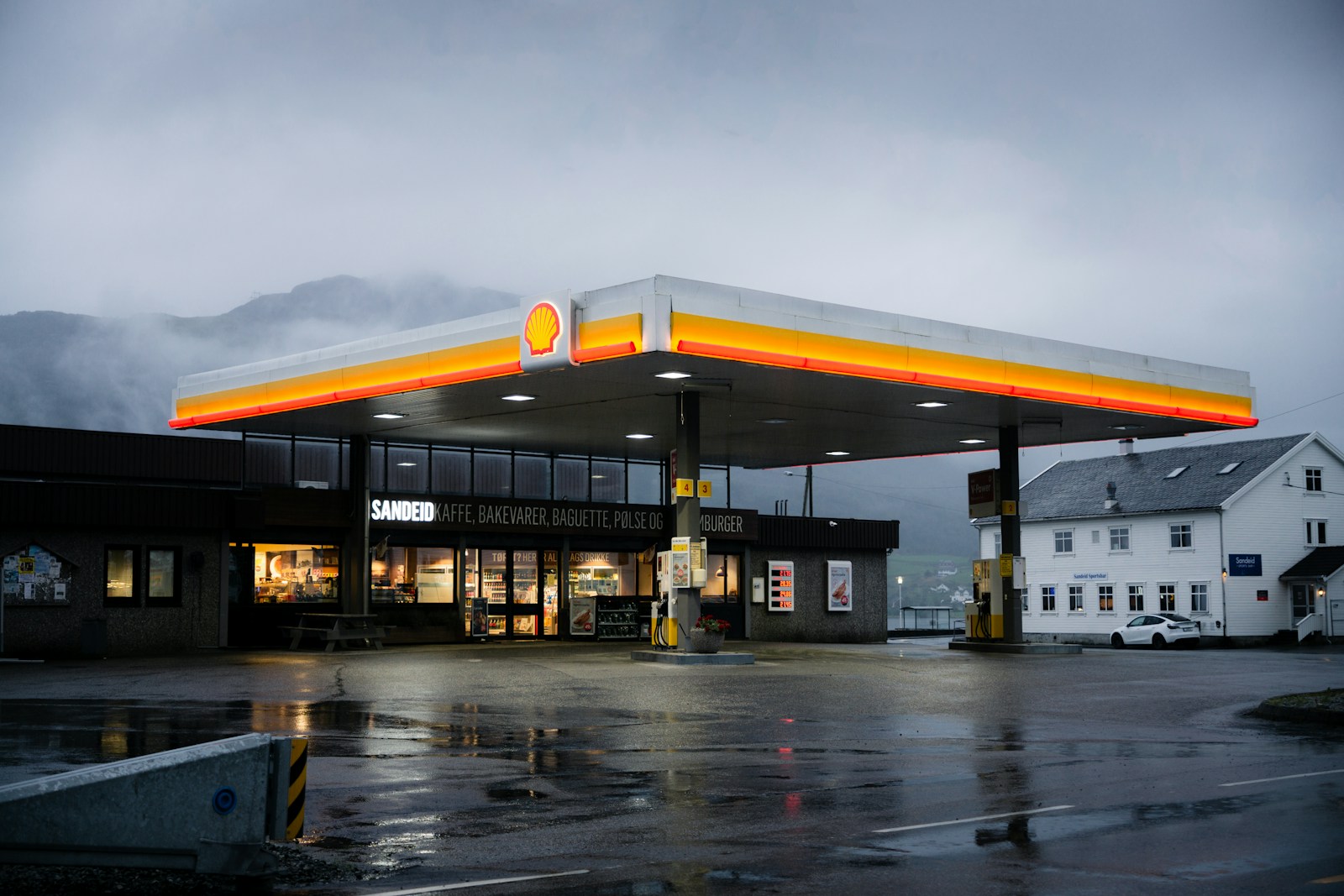
This morning’s Daily Telegraph reports that the Conservatives will, if given the opportunity at the next election, scrap the Net Zero legal deadline for banning the sale of new petrol cars.
Also ditched would be other elements of the Zero-Emission Vehicle (ZEV) mandate, including a raft of subsidies and the bizarre requirement that manufacturers produce an increased share of electric vehicles every year – even in the face of slumping consumer enthusiasm. The only subsidies which will remain are those for research and development.
Writing in the paper, Kemi Badenoch frames the issue thus:
“Under the Conservatives, the direction was clear: decarbonise, but do so in a way that keeps Britain competitive. That meant leaning into investment, listening to manufacturers, and being willing to adjust targets when the market and infrastructure were not keeping up. What we are seeing now is the opposite direction, Labour clinging to rigid mandates and political deadlines, even as the EU signals it will drop the full ban on petrol and diesel cars.”
Now, this is perhaps a little cheeky, given that many of those “rigid mandates and political deadlines” (and indeed, the entire legal Net Zero target and its outworkings) were Conservative policy, part of the corrosive new pattern of short-lived prime ministers seeking a legacy through imposing deadlines on their successors rather than doing the work themselves.
Even if you broadly support the objective of a net-zero emission economy, as I do, pursuing that object via the setting of distant deadlines was and remains a very bad way to go about it. Shunting the obligation into the future allows today’s politicians to evade any hard choices their goals might require and impose them, in theory, on their successors instead; those successors then have to choose between scrambling to find short-term solutions or pushing the deadlines back.
As what we might all pro-supply or abundance-oriented solutions (such as massively expanding the production of green energy, or building lots of reservoirs to increase water reserves) can only be delivered over the long-term, at least in our current planning environment, any politicians who do go flailing around to hit a looming deadline will inevitably end up with some law or other that tries to brute-force demand, usually down, by restricting consumer choice and making people’s lives worse.
When it came to completely phasing out non-electric vehicles from British roads, the problem with the legal deadline was and remains obvious: think about how long it takes to build anything in Britain, and then ask yourself whether or not you think that we are likely to have in ten years the vehicle charging infrastructure to match the reach and capacity of the petrol station network. It isn’t impossible – any home with on-site parking can do on-site overnight charging, which reduces pressure on public charge points – but it never seemed likely.
Even if it had happened, the next question was where the power was coming from. Just as when ministers decided to try and phase out gas boilers in favour of electric alternatives, phasing out petrol vehicles from our roads will mean taking a very large volume of work (in the strict, physics sense) currently done by combusting fuel and shifting it all onto the National Grid. Were that not to drive energy prices into the stratosphere and/or have the whole thing fall over, substantial new generation (and if it were not to obviate the point of Net Zero, green generation) would have to come online to meet that additional demand.
Which also seemed, you know, unlikely to happen – although the Government’s decision to accept in full the recommendations of a review into speeding up nuclear power construction are extremely welcome, even if if it has led to the resignation of one of Rachel Reeves’ advisors.
So, all very sensible. However, the Conservatives could perhaps make more of the fact that they’re keeping the R&D elements of the ZEV rules, and perhaps find some other, similar areas where they can sound enthusiastic about ecological-modernisation elements of the green agenda. The Greens have probably squandered their chance to poach Tory seats at the next election by so openly embracing their radical left side, but it still wouldn’t hurt to signal to environmentally-minded Conservative voters that the party still supports a greener Britain, albeit an innovation-led, market-driven approach to building it.





![Donald Trump Slams Chicago Leaders After Train Attack Leaves Woman Critically Burned [WATCH]](https://www.right2024.com/wp-content/uploads/2025/11/Trump-Torches-Powell-at-Investment-Forum-Presses-Scott-Bessent-to-350x250.jpg)