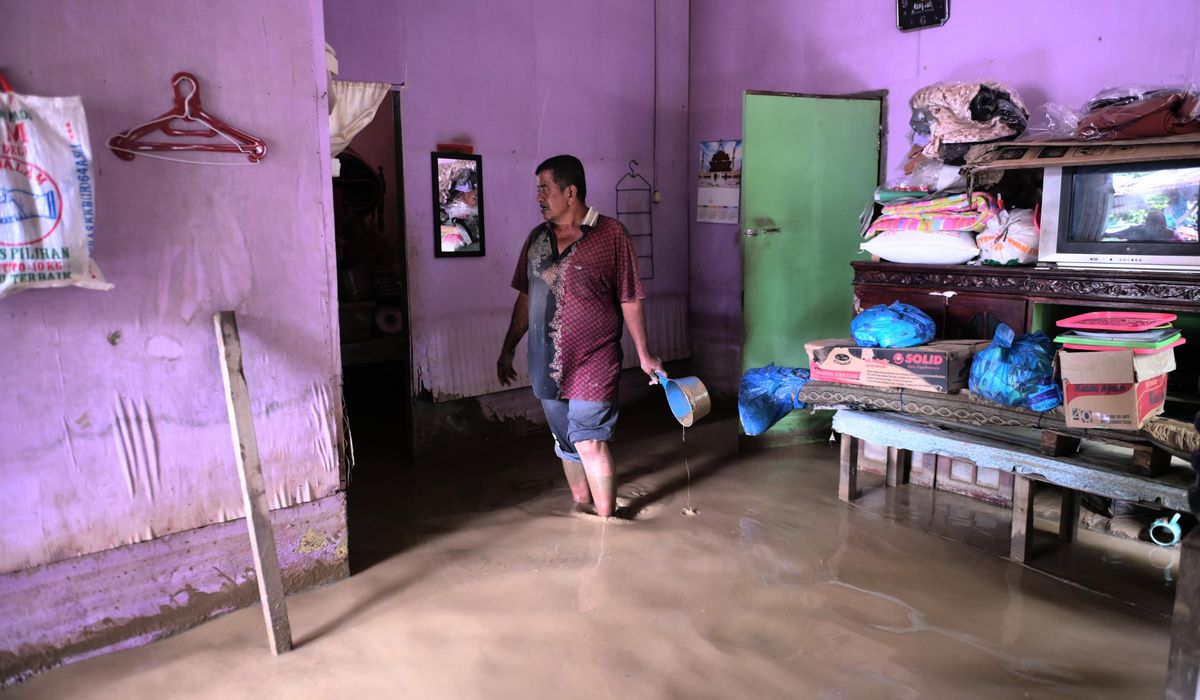
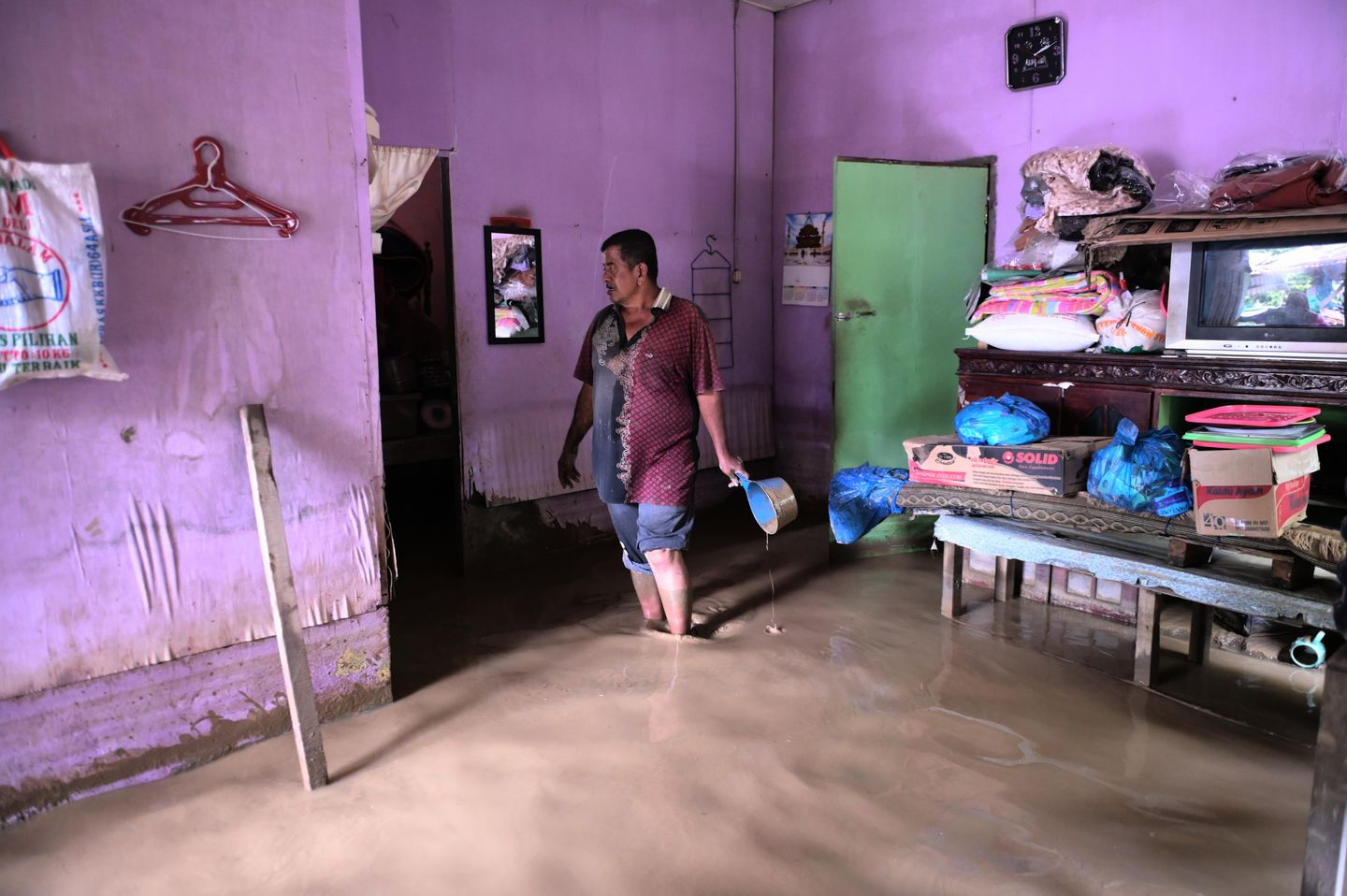
BATANG TORU, Indonesia — Rescue teams raced Wednesday to reach communities isolated by last week’s catastrophic floods and landslides in Indonesia, Sri Lanka and Thailand as over 900 people remained missing and the scope of economic damage became clearer.
Over 1,400 were killed: at least 780 in Indonesia, 465 in Sri Lanka and 185 in Thailand, as well as three in Malaysia. Many villages remained buried under mud and debris, with power and telecommunications out.
Indonesia and Thailand, both middle-income economies, have been able to mobilize extensive rescue operations, deploy military assets and channel emergency funds.
Sri Lanka is responding under far more strained conditions, still recovering from a severe economic crisis and facing limited resources, foreign exchange shortages and weakened public services.
Sri Lank’s Prime Minister Harini Amarasuriya met with diplomats last week to urge them to support the government’s relief and reconstruction efforts. Countries such as India, Pakistan and the United Arab Emirates have already launched relief efforts.
In Indonesia, the worst-hit country, washed-out roads and collapsed bridges have left rescuers struggling to reach some of the hardest-hit areas in North Sumatra, West Sumatra and Aceh provinces, said the National Disaster Management Agency.
There was concern that deforestation may have contributed to the disaster. Residents and emergency workers in Padang, the capital of West Sumatra, said large piles of neatly cut timber were found among the debris.
“From their shape, it was clear these were not just trees torn out naturally by the flood, but timber that had been deliberately cut,” said a member of a clean-up crew, Neviana, who goes by a single name.
Ria Wati, 38, who lives on the outskirts of Padang, agreed.
“The logs carried by the floods weren’t the kind you get from a flash flood,” she said, “If old trees were uprooted, you would see roots and fragile bark. But these were clean, neatly cut pieces of wood … they looked like the result of illegal logging.”
Local authorities have not confirmed the source of the timber. Environmental groups said the scale of damage suggested weakened hillsides and degraded forests played a major role.
Cabinet Secretary Minister Teddy Indra Wijaya said the government was investigating alleged illegal logging operations.
“Beyond extreme weather, environmental degradation has worsened the impact,” Wijaya said.
In Thailand, government spokesperson Rachada Dhnadirek announced Wednesday that recovery efforts in the south were progressing well and water and electricity had been restored in nearly all affected areas.
She said the government has disbursed over 1 billion baht ($31.3 million) in compensation to more than 120,000 households affected by the floods.
___
Karmini reported from Jakarta, Indonesia. Associated Press journalists Jintamas Saksornchai in Bangkok; Krishan Francis in Colombo, Sri Lanka; Eranga Jayawardena in Sarasavigama, Sri Lanka, and Eileen Ng in Kuala Lumpur, Malaysia, contributed to this report.






![Donald Trump Slams Chicago Leaders After Train Attack Leaves Woman Critically Burned [WATCH]](https://www.right2024.com/wp-content/uploads/2025/11/Trump-Torches-Powell-at-Investment-Forum-Presses-Scott-Bessent-to-350x250.jpg)