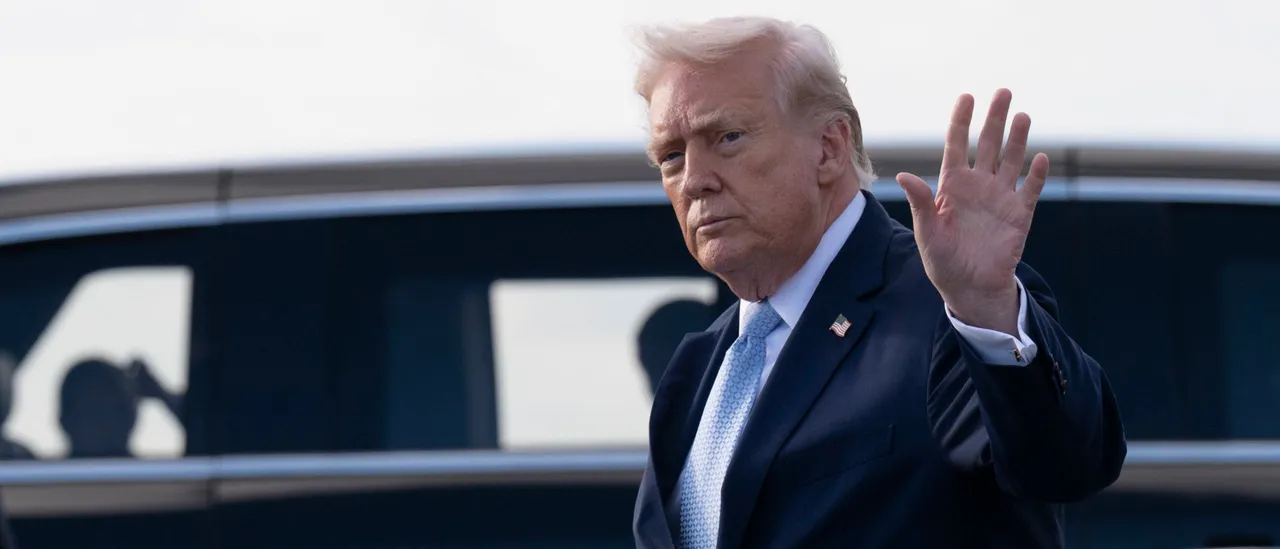
Skyrocketing health care costs are set to play a pivotal role in the outcome of the upcoming midterm elections.
Increasingly unaffordable medical care will likely be one of the top issues for American voters on both sides of the aisle as they had to the polls in November, analysts told the Daily Caller News Foundation.
“Health care costs will likely play a major role in the midterms this fall,” Shannon Schumacher, senior survey analyst for KFF’s public opinion and survey research program, told the DCNF. “The economy is usually a top electoral issue, and this year we’re seeing health care costs rise to the top of people’s economic concerns.”
Schumacher noted that in KFF’s January poll “more people said they worried about affording their health care costs than other necessities like food and groceries or housing.”
“Looking ahead to the midterms, health care costs are motivating voters across party lines, with substantial shares of voters saying the issue will have a ‘major impact’ on their decisions this fall,” she added. (RELATED: Trump Admin Building A Health Care Cost Bomb Set To Explode Right Before Midterms)
“Right now, health care costs are more of a motivator for Democratic and independent voters than Republicans, but a majority of Republican voters also say it will impact their decision to vote and which party’s candidate they will vote for,” Schumacher continued. “And as far as who voters say they trust on the issue, voters are giving the Democrats the advantage over Republicans on addressing health care costs and prescription drug costs.”
In 2024, U.S. health care spending rose 7.2% — totaling $5.3 trillion or $15,474 per person — according to the Centers for Medicare & Medicaid Services (CMS). Health care spending accounted for 18% of U.S. Gross Domestic Product that year, CMS reported.
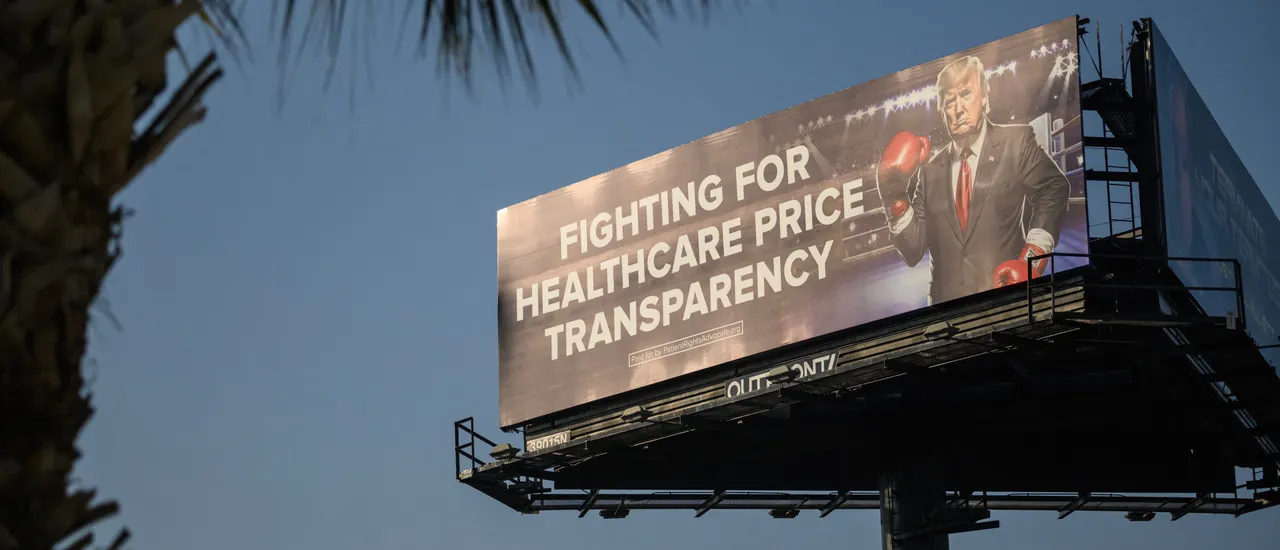
TOPSHOT – A billboard for healthcare pricing shows an image of US President Donald Trump wearing boxing gloves, as the motorcade carrying US President Donald Trump passes by en route Trump International Golf Club West Palm Beach in West Palm Beach, Florida on April 12, 2025. (Photo by MANDEL NGAN/AFP via Getty Images)
The nation’s health care costs are projected to rise 7.6% in 2026, Time Magazine reported in October 2025.
Many Americans have recently been forced to reduce spending on certain basic household goods to afford health care, according to Lunna Lopes, senior survey manager for KFF’s public opinion and survey research program.
“People who get health insurance from the ACA Marketplaces are a small share of overall voters, but with the expiration of the enhanced premium tax credits, they are feeling the rising cost of health care more acutely than most,” Lopes told the DCNF. “Our recent survey found that half (51%) of returning enrollees say their premiums, deductibles, or copays are ‘a lot higher’ this year. The financial pressure is clearly real as a majority (55%) say they are cutting back on food and other basic household expenses in order to afford their health care costs.”
Uninsured Americans are roughly twice as likely to have difficulty affording health care compared to those with health insurance, the Lown Institute reported in January.
Moreover, a lack of competition in the nation’s health insurance market can impose additional costs on patients, Robert Moffit, senior research fellow on health and welfare policy at the Heritage Foundation, told the DCNF.
“Ninety percent of our hospital markets are highly concentrated, dominated by [a] few giant hospital corporations; health insurance markets are often dominated by one or two or three huge insurance companies,” Moffit said. “Where there is no competition, there is no choice. Where there is no choice or competition, there is no way to control cost, unless the option — like ‘single-payer’ — is to set a hard global budget and then deny, delay or ration medical care.”
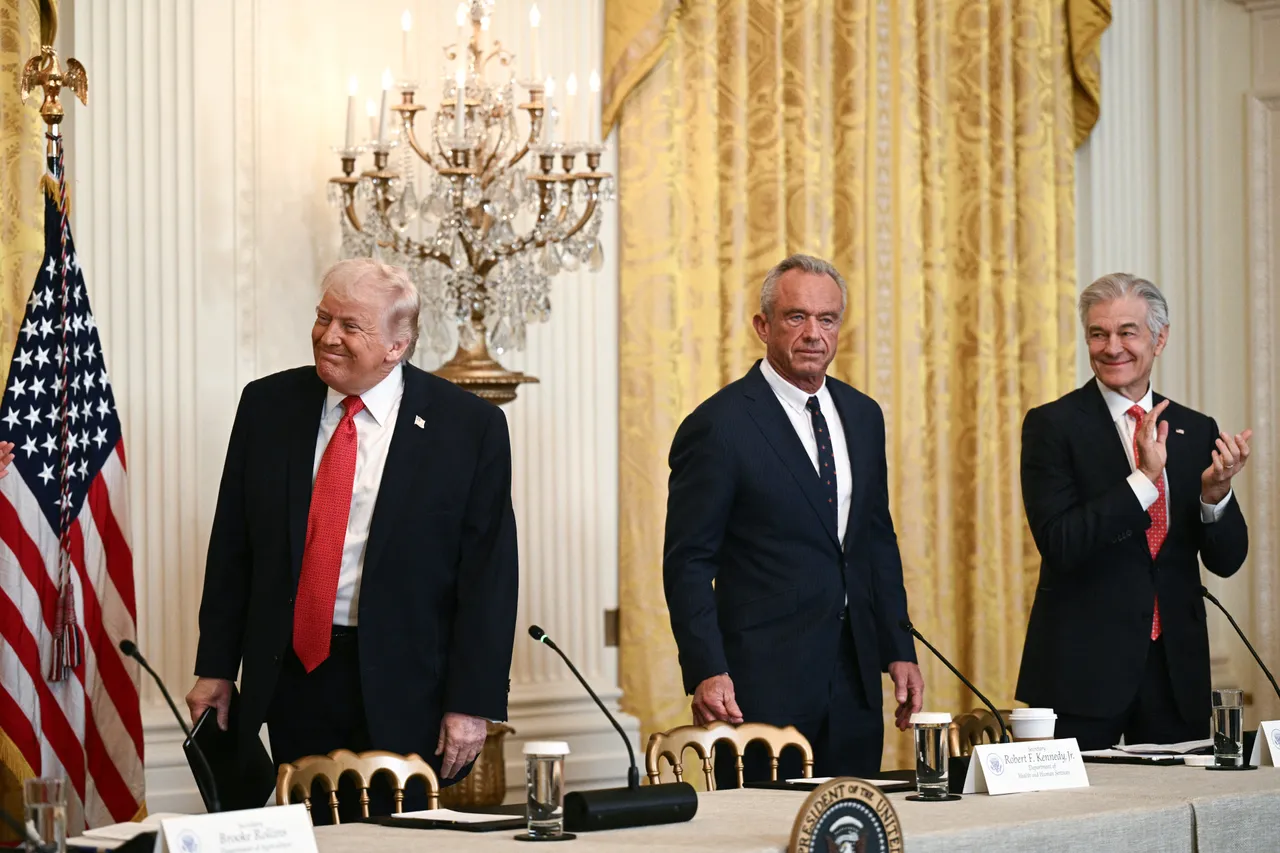
US President Donald Trump (L) arrives for a roundtable discussion on rural health care investments, alongside Secretary of Health and Human Services Robert F. Kennedy Jr. (C) and Medicare and Medicaid Administrator Mehmet Oz (R) in the East Room of The White House in Washington, DC on January 16, 2026. (Photo by Brendan SMIALOWSKI / AFP via Getty Images)
“The truth is that giant corporations, either hospital or health insurance corporations, benefit from this situation, especially when patients cannot be rewarded for decisions to secure cost-efficient medical care,” he explained further.
Moffit added that unaffordable health care costs in the U.S. “have been a perennial concern of voters since the 1960s and polling shows that health costs are almost always somewhere near the top of voters’ concerns.”
As of 2022, drug prices in the U.S. were nearly 2.78 times as high as prices in other countries, the Office of the Assistant Secretary for Planning and Evaluation reported in January 2024.
Democrats are reportedly aiming to craft a strong health care messaging strategy ahead of the November midterms as they seek to retake majority control of the Senate and House of Representatives.
American Commitment President Phil Kerpen warned the DCNF that Democrats historically have a health care messaging advantage over Republicans.
“Polling shows Republicans have some very strong health care [messaging] around challenging insurance companies, reversing the policies that have driven massive consolidation of the insurers, [pharmacy benefit managers] and the giant tax-exempt hospital systems, and bringing real choice and competition,” Kerpen told the DCNF. “Their problem is they never talk about health care or really push these ideas except defensively when Democrats are pressing the issue, which is why Democrats usually have an advantage on the health care issue.”
“If Republicans are smart they will move some key health care provisions in reconciliation this year and really make a positive case for them to the American people,” he added.
In January, President Donald Trump unveiled a new health care plan aiming to bring down drug prices, lower insurance premiums, hold major insurance companies accountable and improve price transparency.
The Trump administration can help lower U.S. health care costs by eliminating improper subsidies and expanding lower-cost medical plan options, according to Thomas Savidge, an economist with the American Institute for Economic Research.

U.S. Rep. Ashley Hinson speaks to guests during her Ashley’s BBQ Bash fundraiser on August 23, 2025 in Cedar Rapids, Iowa. (Photo by Scott Olson/Getty Images)
“The best way the president and CMS can improve health care affordability is by cracking down on improper subsidies, ending automatic enrollment, and changing rules to expand lower-cost plan options,” Savidge said. “The proposed 2027 Notice of Benefit and Payment Parameters from CMS helps achieve these goals.”
“As health costs keep rising, voters will gravitate toward candidates promising relief through subsidies and new rules, but those policies are the primary driver of the problem,” he noted.
A February 2024 analysis from KFF found that approximately 14 million Americans owed more than $1,000 in medical debt, and roughly 3 million individuals owed medical debt of over $10,000.
Democratic National Committee Chairman Ken Martin said in a Monday statement his party will not “accept a status quo where Americans delay treatment or ration their prescriptions because they can’t afford the skyrocketing health care costs caused by Donald Trump and Republicans.”
Additionally, Republican Iowa Rep. Ashley Hinson — who is running for Senate — stated in a Jan. 8 X post that she “will not support the status quo of health care in America today, it’s a disaster.” Hinson, a candidate for U.S. Senate in November, added that “both parties are to blame for this mess.”
All content created by the Daily Caller News Foundation, an independent and nonpartisan newswire service, is available without charge to any legitimate news publisher that can provide a large audience. All republished articles must include our logo, our reporter’s byline and their DCNF affiliation. For any questions about our guidelines or partnering with us, please contact licensing@dailycallernewsfoundation.org.







![Kamala Comes Unglued, Makes Bogus Claim About Her Landslide Loss to Trump [WATCH]](https://www.right2024.com/wp-content/uploads/2025/10/Kamala-Comes-Unglued-Makes-Bogus-Claim-About-Her-Landslide-Loss-350x250.jpg)
![James Carville Admits Democrats Had No Shutdown Endgame, Mishandled Strategy [WATCH]](https://www.right2024.com/wp-content/uploads/2025/11/1763070634_James-Carville-Admits-Democrats-Had-No-Shutdown-Endgame-Mishandled-Strategy-350x250.jpg)