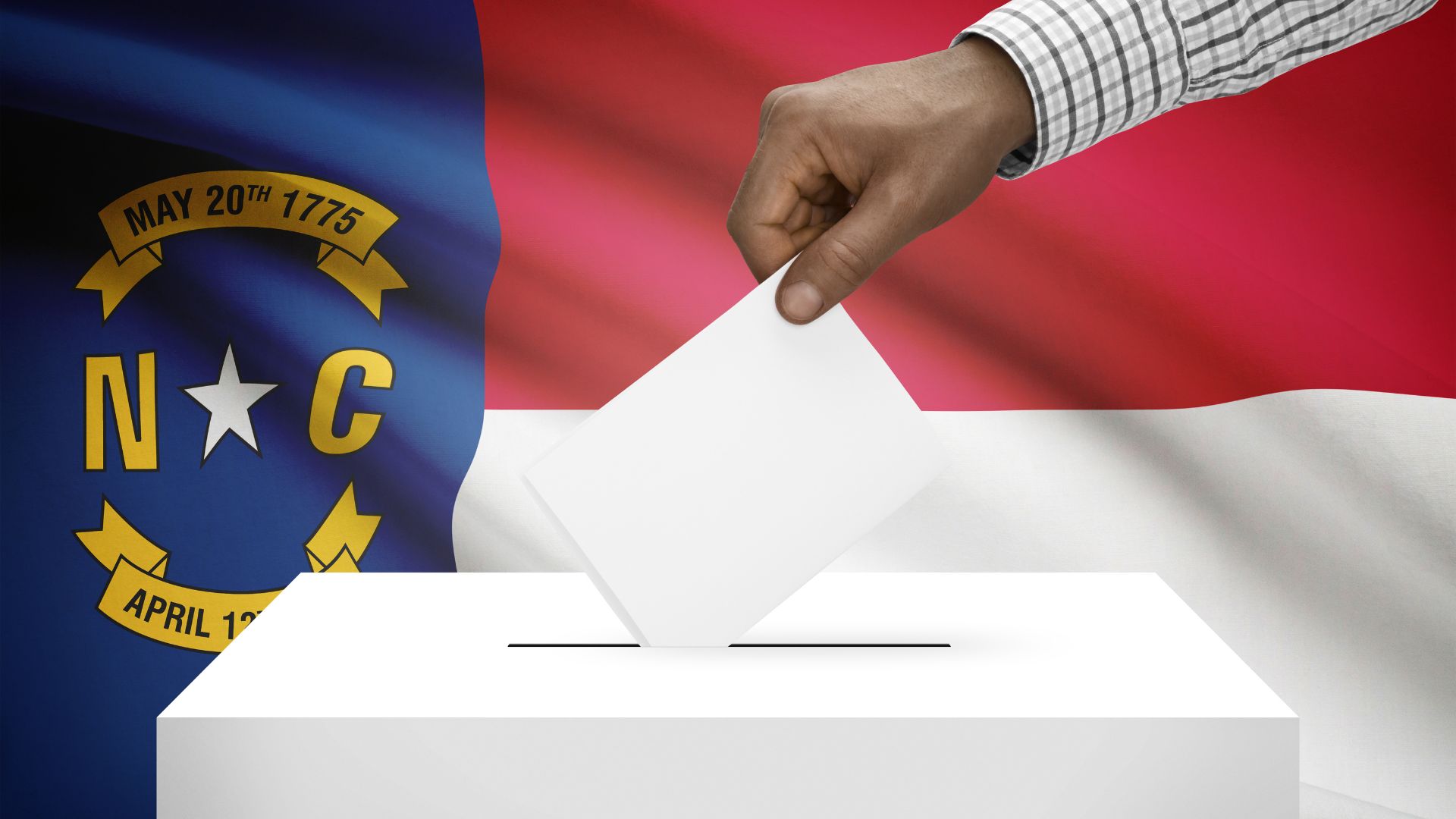
The U.S. Supreme Court heard oral arguments Monday in a case challenging the arrival and counting of mail-in ballots, as a legal dispute brought by the Republican National Committee and the Libertarian Party of Mississippi moved forward.
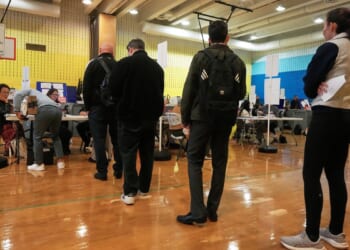
The case centers on whether ballots received after Election Day should be counted, an issue that has drawn national attention in recent election cycles, as reported by The Gateway Pundit.
The lawsuit challenges practices in certain states that allow ballots to be counted after Election Day if they arrive late, even if they were postmarked on time.
Here’s What They’re Not Telling You About Your Retirement
Supporters of the practice, including various voter-rights organizations and Democrat election officials, have argued that states have the authority to manage their own election procedures, including ballot deadlines.
Republicans, including President Donald Trump, have raised concerns that counting ballots after Election Day can delay election results and raise the risk of fraud.
The issue was a focal point during Monday’s arguments, where justices questioned attorneys on both sides.
During the proceedings, Supreme Court Justice Sonia Sotomayor raised a question referencing the 2000 presidential election in Florida.
This Could Be the Most Important Video Gun Owners Watch All Year
“Maybe we should have another president now, because wasn’t it in Florida that they were counting military votes after receipt?” she said.
Her question drew a response from Paul Clement, an attorney representing the Republican National Committee. Clement argued that the Florida situation cited by Sotomayor was not comparable to current disputes over mail-in ballots.
“With all due respect, that is the reddest of red herrings because what happened in the 2000 election in Florida was pursuant to a consent decree that was entered by a federal court,” Clement said.
He explained that the circumstances in Florida were tied to compliance issues under federal law, specifically the Uniformed and Overseas Citizens Absentee Voting Act, known as UOCAVA. According to Clement, the state had failed to meet requirements under that law.
“Because Florida was violating the principal provision of UOCAVA (The Uniformed and Overseas Citizens Absentee Voting Act), which says you have to give the absentee ballots to overseas voters 45 days in advance,” Clement said.
“Because Florida was violating that, there had to be a consent decree to create a remedy that was not provided.”
LMFAO! Liberal Justice Sotomayor tries GOTCHA on GOP lawyer, gets CALLED OUT
“Maybe we should have another president NOW, wasn’t FL counting ballots after [election day 2000]?”
LAWYER: “With all due respect, that is the REDDEST of RED HERRINGS!” pic.twitter.com/04M2Rya2ZN
— Eric Daugherty (@EricLDaugh) March 23, 2026
The opinions expressed by contributors and/or content partners are their own and do not necessarily reflect the views of LifeZette. Contact us for guidelines on submitting your own commentary.



![Two Dead, 14 Injured After Gunfire Erupts Following College Football Game in Alabama [WATCH]](https://www.right2024.com/wp-content/uploads/2025/10/Two-Dead-14-Injured-After-Gunfire-Erupts-Following-College-Football-350x250.jpg)