This content was produced via a partnership with KCPAC. The views and opinions expressed in this commentary are those of the authors and do not reflect the official position of the Daily Caller.
Markets on Alert
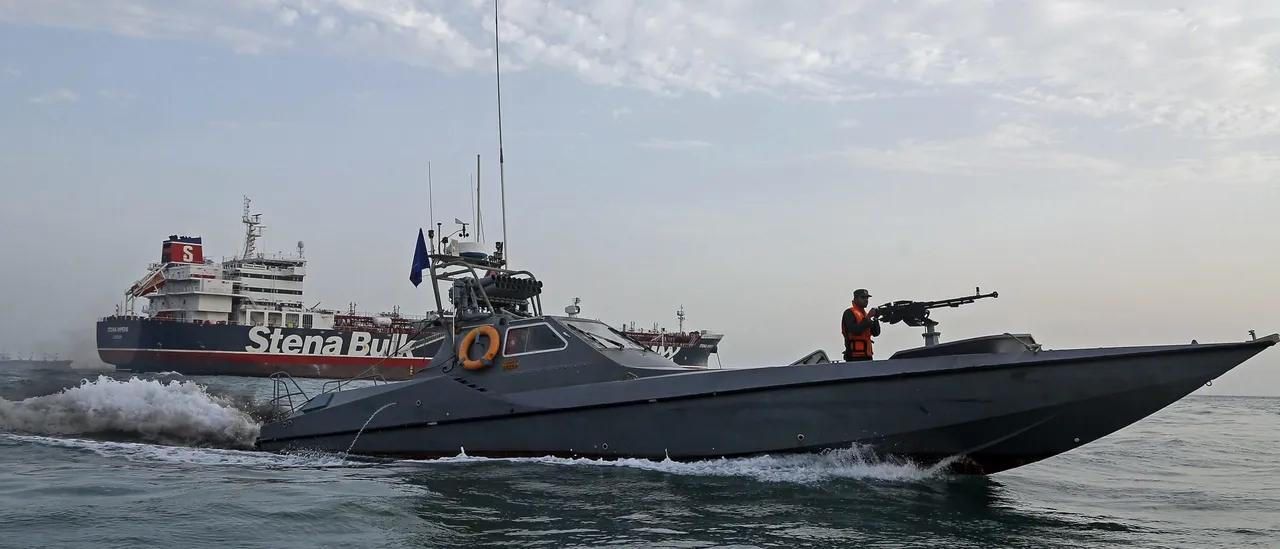
Will Iran’s declared blockade of the Strait of Hormuz be difficult to sustain over a long period? This article explains that China and Iran will suffer the biggest blows, and there are limits to the pressure being exerted on the U.S.
Concerns about a ‘second oil shock’ are spreading in the markets. Tensions in the Strait of Hormuz are rising, crude oil prices are rising and global financial markets are showing signs of nervousness. However, some analysts in Japan predict that the current blockade is unlikely to last long. (RELATED: Support For The Attack On Iran: A Surprise Move By Iranians Living In Japan)
In a report dated March 3, the Sankei Shimbun newspaper reported that if the Strait of Hormuz, a strategically important waterway through which about 20% of the world’s oil consumption passes, were to be effectively blocked there would be many global consequences. The report pointed out that from a structural standpoint market turmoil would be inevitable, but it also pointed out that a long-term blockade would be difficult to sustain.
Consequences of the Blockade
One obvious consequence is the impact on China. According to the U.S. Energy Information Administration (EIA), China is the largest crude oil importer via the Strait of Hormuz, accounting for approximately 38% of the total traffic. Furthermore, it is estimated that 45% to 50 % of China’s total crude oil imports pass through the Strait. Meanwhile, China’s strategic oil reserves are said to be enough to last approximately 115 days. A prolonged surge in crude oil prices could significantly increase the damage to the Chinese economy, which is currently facing a real estate slump and an economic slowdown.
A second obvious consequence concerns Iran’s own economic constraints. The Iranian economy is highly dependent on Iranian oil exports, and even under sanctions, China remains the country’s main importer, accounting for roughly 90% of Iranian crude oil. If the Strait blockade continues for a long time, it will result in the country’s export revenue shrinking. A Japanese financial expert’s analysis of the economic situation said, “There is no benefit for Iran to block the Strait of Hormuz. Iran exports crude oil through the strait, and exports to China in particular are the backbone of its economy.”
While it could be used as a means of pressure in negotiations, it is difficult to call it a sustainable strategy. (RELATED: Japan’s Response To The Iran Attacks)
Another important consequence is that the economies of the other Gulf States exporting their seaborn products through the Strait will be adversely effected.
How is the American Supply Affected?
One reason that the closure might not be worth sustaining in the long term by Iran is that America has become effectively self-sufficient in energy over the years. Since the shale revolution, the U.S. has become one of the world’s largest crude oil producers, and its dependence on the Strait of Hormuz remains at around 2% of its oil consumption. In the short term, rising crude oil prices may affect consumer confidence through inflationary pressures and higher gasoline prices.
However, the closure is not such that it will directly lead to serious energy shortages in America. And it is always possible that America could overwhelm the Iranian military and forcibly remove the physical supply disruptions caused by blockading the Strait.
Furthermore, the United States holds an emergency stockpile, its Strategic Petroleum Reserve (SPR), which gives it a certain amount of room for policy responses to stabilize the market. Therefore, it is unlikely that a blockade will be decisive in getting the United States to submit to pressure on its oil supplies over a long period of time.
A Calm Risk Analysis is Required
A prolonged blockade would be a costly option for the countries using Iranian oil, especially China. The other Gulf States using the Strait would also be adversely affected. The short-term price volatility and geopolitical tensions created may persist, but the imposition of a full and sustained blockade are considered of little consequence for America and many other countries. (RELATED: China’s New ‘Trojan Horse’ In London: A Warning Shot For The West)
A calm analysis that assesses the risk of actual supply disruptions is needed, rather than just observing the volatile price fluctuations that create fear in the market. A clear structural understanding of the situation will settle the short-term and long-term economic and energy supply consequences of the blockade.





![Donald Trump Slams Chicago Leaders After Train Attack Leaves Woman Critically Burned [WATCH]](https://www.right2024.com/wp-content/uploads/2025/11/Trump-Torches-Powell-at-Investment-Forum-Presses-Scott-Bessent-to-350x250.jpg)