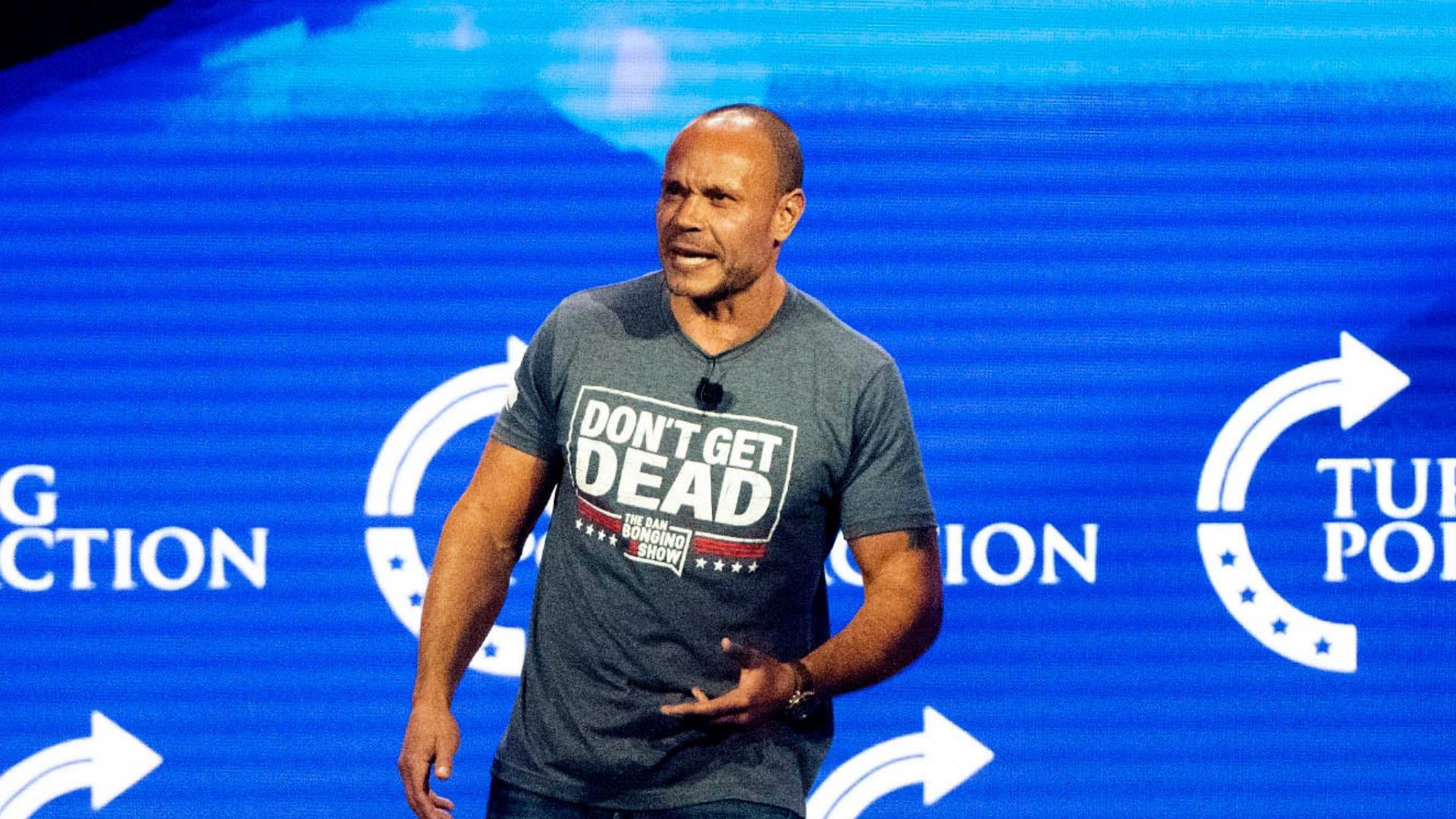
Dan Bongino said leaks coming from within the intelligence community are often driven by insiders opposed to President Donald Trump and are used to distort public perception of U.S. operations and policy decisions.
Speaking about the issue of intelligence leaks and media coverage, Bongino argued that the individuals responsible frequently present minority opinions from internal intelligence reports as if they represent the broader consensus of the intelligence community.
“This is a game the insider anti Trump community has engaged in forever,” Bongino said.
“I told you, it is not easy to weed out who’s part of Team Trump and who’s part of, I shouldn’t even say who’s part of like Team US government, and who’s part of like Team fake whistleblower leak to the media and sabotage us efforts.”
Here’s What They’re Not Telling You About Your Retirement
Bongino said identifying individuals responsible for leaks is difficult because those involved do not openly reveal their actions.
“They don’t advertise themselves,” he said.
According to Bongino, leaks are often used to create the impression that U.S. operations or foreign policy initiatives are failing, even when intelligence briefings may indicate otherwise.
This Could Be the Most Important Video Gun Owners Watch All Year
“Who in the intel community is leaking this stuff? There was another leak. Well, the US isn’t necessarily confident they’re going to be able to take down the regime,” Bongino said.
Bongino said President Donald Trump has not framed U.S. operations as a mission to impose regime change, but rather as efforts to weaken hostile leadership.
“Number one, he’s never said regime change is the goal. The regime did change, and he is going to decapitate a lot of that leadership that’s chanting Death to America,” Bongino said.
At the same time, Bongino said the President is realistic about the challenges involved in reshaping political leadership in countries like Iran.
“But I don’t think the President’s under any illusions, like you’re going to get some like Ronald Reagan type figure over in Iran,” Bongino said.
Bongino also pointed to additional reports suggesting outside actors were assisting Iran, arguing that such claims were part of an effort to shape public opinion.
“And in this other league, oh, the Russians are helping him do all of this stuff is meant to gaslight you in the public that somehow we’re losing seven days in they do this shit all the time,” Bongino said.
Bongino said intelligence reports often contain detailed assessments and positive evaluations of military or intelligence operations, but leaks frequently focus on a small portion of the report containing cautionary analysis.
“I’m going to tell you something too, whatever’s being leaked too. Is that Major Garrett in that 61 Minutes interview, I can almost guarantee you whatever’s being leaked. Let’s say there’s a 17 page Intel report. 16 pages Listen to me here extol the virtues of the combat operation so far and how well they’ve done right,” Bongino said.
According to Bongino, internal reports often include a final section addressing potential risks or alternate scenarios.
“And then on the last page, it says there’s always like, a caveat or a counterpoint, whatever, maybe a minority viewpoint. And they’ll say, Hey, listen, you know, there’s a possibility that the regime stays in charge and all this other stuff,” Bongino said.
He said the issue arises when that minority viewpoint is selectively leaked and presented as the dominant view within the intelligence community.
“What the leakers always do is they leak the minority viewpoint, if it is one, and then they make it out like it’s the majority of the intel community does,” Bongino said.
Bongino also criticized media coverage of leaked intelligence, arguing that reporters often do not have access to the full reports being referenced.
“And major Garrett’s never gonna see the report. Folks, they do this shit all the time,” Bongino said.
Drawing on his own experience, Bongino said he had seen differences between intelligence briefings and media reports about those same materials.
“I saw it on the inside. You read about something in the newspaper, and I, I would pop open at the brief. Every morning the Intel brief, I’d pop open the brief and take a look at it, and then you’re reading what’s in the Washington Post, and you’re like, that doesn’t say any of that shit,” Bongino said.
Bongino warned the public to approach such reporting carefully and said some individuals within the intelligence bureaucracy may not be acting in the interests of the United States.
“Folks, be very cautious of this stuff. You’ve got people inside there who are not there for the right reasons,” Bongino said.
He added that identifying and removing those responsible for leaks can be challenging within a large intelligence apparatus.
“And they picking them out. Some of them are like ticks. I’m not gonna bullshit you. It’s not they don’t advertise,” Bongino said.
Bongino said tools such as polygraph testing and other internal security measures are sometimes used to address leaks but acknowledged that problems can still occur within a large intelligence bureaucracy.
“That’s why you see the use of polygraphs and other material. It is not given this expansive Intel bureaucracy. You still got stuff like this going on.”
WATCH:






![Donald Trump Slams Chicago Leaders After Train Attack Leaves Woman Critically Burned [WATCH]](https://www.right2024.com/wp-content/uploads/2025/11/Trump-Torches-Powell-at-Investment-Forum-Presses-Scott-Bessent-to-350x250.jpg)