Councillor Thomas Heald is a Scottish Conservative councillor for Dunblane and Bridge of Allan, Scottish Conservative and Unionist candidate for Dunfermline and political advisor in the Scottish Parliament.
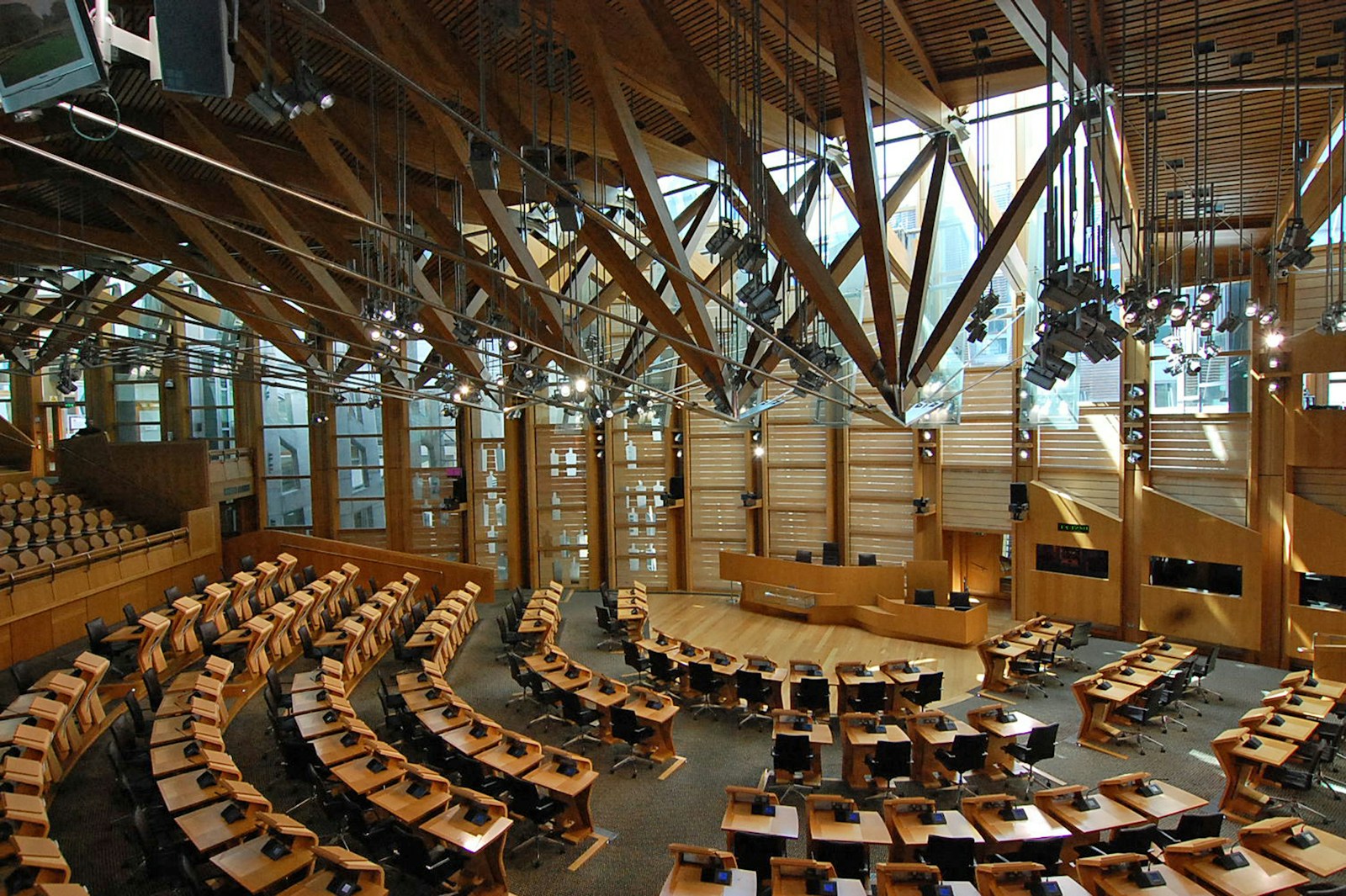
Most people see Holyrood through its set pieces, FMQs, committee clashes or the occasional clip that goes viral for all the wrong reasons. But for those of us who’ve spent years working behind the scenes, the real story of Scottish politics takes place far from the camera lights.
For nearly a decade, I’ve served as a Head of Office for a Member of the Scottish Parliament. I’ve learned that while an MSP may be the one standing at the podium, there is a small team behind them keeping the whole show on the road. Being part of that team has been one of the most challenging and rewarding roles in politics.
A Nation in an Inbox
If you really want to understand Scotland, try managing an MSP’s inbox for ten years. Every email tells the same story of frustration, ambition, hope or sheer bewilderment with public services that seem to grow more complex with each passing government press release. Not to mention the endless emails for your MSP to attend a myriad of different events.
By mid-morning, I might jump from helping a family lost in a maze of health board bureaucracy to chasing a local authority on housing delays, before pivoting to a small business owner whose issue sits in a grey area of devolved competence.
In that role, you become a hybrid of caseworker, investigator, negotiator and informal counsellor. It also sharpens your awareness of how distant systems can feel to the people they are meant to serve.
Ten Years of Doing the Quiet Work
The popular caricature of parliamentary staffers is that they’re usually temporary fixtures and typically young graduates passing through on their way to something else.
I too, to quote a former Prime Minister, was the future.
But some of us build a career in these offices, and with time comes perspective (and occasionally, patience).
As Head of Office, I’ve drafted more speeches, briefings, and parliamentary questions than I could possibly count. I’ve seen legislation evolve from vague ministerial intent to the final text that affects millions. I’ve learned that a well-crafted line can land harder than a hundred social media posts and that a well-timed intervention in committee can shift a debate that seemed comfortably settled.
If the job teaches you anything, it’s discipline: the discipline to research properly, write concisely, challenge assumptions and prepare your MSP so thoroughly that the public never sees the chaos you quietly averted behind the scenes.
Being a Conservative Voice in Holyrood
Working for a Scottish Conservative MSP adds a particular edge to the role. Holyrood is not always an easy environment for those of us who don’t subscribe to fashionable consensus. Whether the issue is centralisation, regulation or constitutional theatrics, pushing for scrutiny and accountability often feels like swimming upstream.
But that is exactly where Conservatives add value. We ask the awkward but necessary questions. We point out the inefficiencies that others overlook. And we challenge the instinct to legislate first and think later.
Some of the most satisfying moments in my career were when a line in a briefing, or a piece of research my team uncovered, ended up shaping the debate or forcing Ministers to confront uncomfortable truths.
Politics Is Still Local
Despite the technological trappings of modern politics, the data tools, the digital campaigning, the social media churn, nothing replaces going out into the community.
Whether I’m attending events as a councillor or as a parliamentary staffer, it’s those conversations in community halls, at local charities or in someone’s living room that remind me why the work matters. These are the moments that keep politics anchored to reality, away from the abstractions of policy papers and committee rooms.
Why a Decade Hasn’t Dimmed My Enthusiasm
Holyrood can be fast-paced, infuriating, occasionally absurd but never dull. Ten years in this job have taught me that political effectiveness isn’t always measured in headlines. Often it’s seen in the quiet wins: the constituent who finally gets the support they deserve, the line in a policy paper that changes because we pressed an issue, the moment your MSP delivers a speech knowing they are thoroughly prepared.
My time as a Head of Office has deepened my belief that Scotland needs a more grounded, more accountable, and more responsive politics. Conservatives have a vital role in that transformation. Common sense politics is a phrase that is often overused but Scotland desperately needs a centre-right party rooted in practicality, responsibility, and a willingness to push back against government overreach.
After nearly a decade in the engine room of Holyrood, I can say this with certainty: the institution would grind to a halt without its staff. And for those of us who’ve made a career in these offices, the reward lies not in recognition but in the knowledge that we keep the wheels turning, one briefing, one case, and one crisis at a time.
Why I’m Standing for Election
My candidacy is shaped by everything I’ve learned over the past decade. It is grounded in the belief that the Scottish Parliament has enormous capacity to improve lives when it focuses on thoughtful legislation, credible scrutiny, and constructive engagement.
I’ve seen both the strengths and the weaknesses of the institution. I’ve seen where processes support good decision-making and where they fall short. And I believe that bringing long experience from behind the scenes into elected office can help strengthen the Parliament’s ability to respond to the challenges Scotland faces.
After ten years working within Holyrood, I remain optimistic. Not naïve, but optimistic because I know how hard people inside the building work every day, and because I have seen how much good the institution can do when its systems, it’s culture, and its people pull in the same direction.



![Donald Trump Slams Chicago Leaders After Train Attack Leaves Woman Critically Burned [WATCH]](https://www.right2024.com/wp-content/uploads/2025/11/Trump-Torches-Powell-at-Investment-Forum-Presses-Scott-Bessent-to-350x250.jpg)

![Kamala Comes Unglued, Makes Bogus Claim About Her Landslide Loss to Trump [WATCH]](https://www.right2024.com/wp-content/uploads/2025/10/Kamala-Comes-Unglued-Makes-Bogus-Claim-About-Her-Landslide-Loss-350x250.jpg)