Exactly one month into American military operations against the Iranian regime, U.S. consumers are suffering from a triple threat of skyrocketing gas prices, soaring interest rates and a plummeting stock market, Axios reported Saturday.
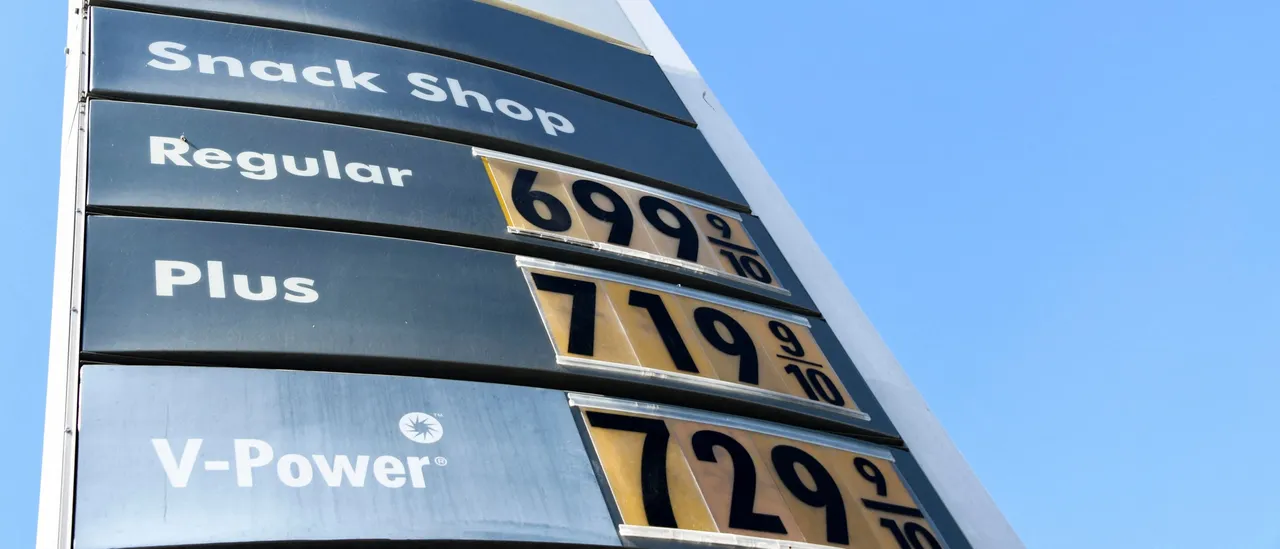
A spike in oil costs resulting from Operation Epic Fury — which began Feb. 28 — has caused the average U.S. price for a gallon of gas to rise a full dollar in just one month, according to Axios. Along with rising interest rates and a decline in the stock market, the increase comes just over seven months before November’s midterm elections. Many Democrats are running campaigns centered on affordability and cost of living issues.
Just two days before the U.S. and Israel launched strikes on Iran, the average U.S. price for a gallon of regular gasoline was $2.98, according to the American Automobile Association (AAA). The same gallon of gas cost $3.98 on Saturday.
Before the war, roughly 20% of the world’s oil demand flowed through the Strait of Hormuz, a narrow waterway separating Iran from the Arabian peninsula. After the war broke out, traffic through the strait dropped to nearly zero, contributing to the oil price spike. (RELATED: Economic Shocks Will Permeate Long After Iran Strikes Stop, Analysts Predict)
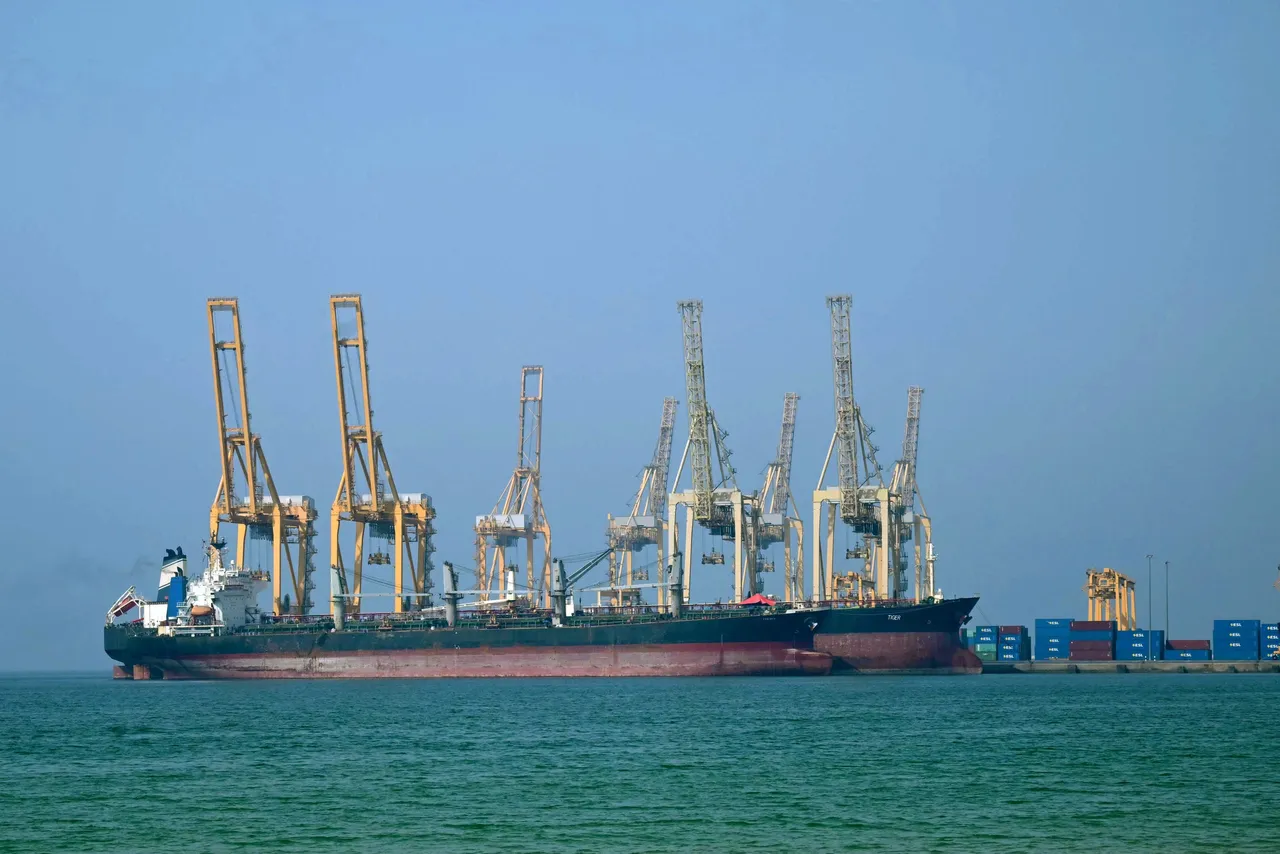
Tankers are seen at the Khor Fakkan Container Terminal, the only natural deep-sea port in the region and one of the major container ports in the Sharjah Emirate, along the Strait of Hormuz, a waterway through which one-fifth of global oil output passes on June 23, 2025. (Photo by GIUSEPPE CACACE/AFP via Getty Images)
Over the four consecutive weeks following the outbreak of the conflict, U.S. mortgage rates rose, with the average reaching 6.38%, the highest average since September 2025, the Wall Street Journal (WSJ) reported Thursday. By comparison, the average U.S. rate on a 30-year fixed mortgage was 5.98% on Feb. 26, two days before the war began.
The wartime oil price spikes have caused analysts to widely expect that the Federal Reserve will not lower interest rates in the immediate future, according to the outlet.
Futures market traders on Friday raised the likelihood that the Fed increases interest rates before the end of the year to 52%, CNBC reported. This marks the first time the prospect of the Fed raising rates before 2026 is over is more likely than not, according to the futures market.
Furthermore, the stock market shed over 3 trillion dollars in market capitalization since conflict began, a decrease of over 7% from January, according to Axios.
All three of the market’s major indices fell since Feb. 28. The S&P 500 fell 7.4%, the Dow Jones Industrial Average fell 7.8%, and the Nasdaq Composite fell 7.6% over the four-week period.
With the economic shocks of the war affecting consumers on multiple levels, Trump administration officials are seeking to continually justify the Iran operation.
Treasury Secretary Scott Bessent told NBC News’s Kristen Welker on March 22 he thinks the American people will ultimately “understand” that “50 days of temporary elevated prices” are a short-term cost to secure “50 years of not having an Iranian regime with a nuclear weapon.”
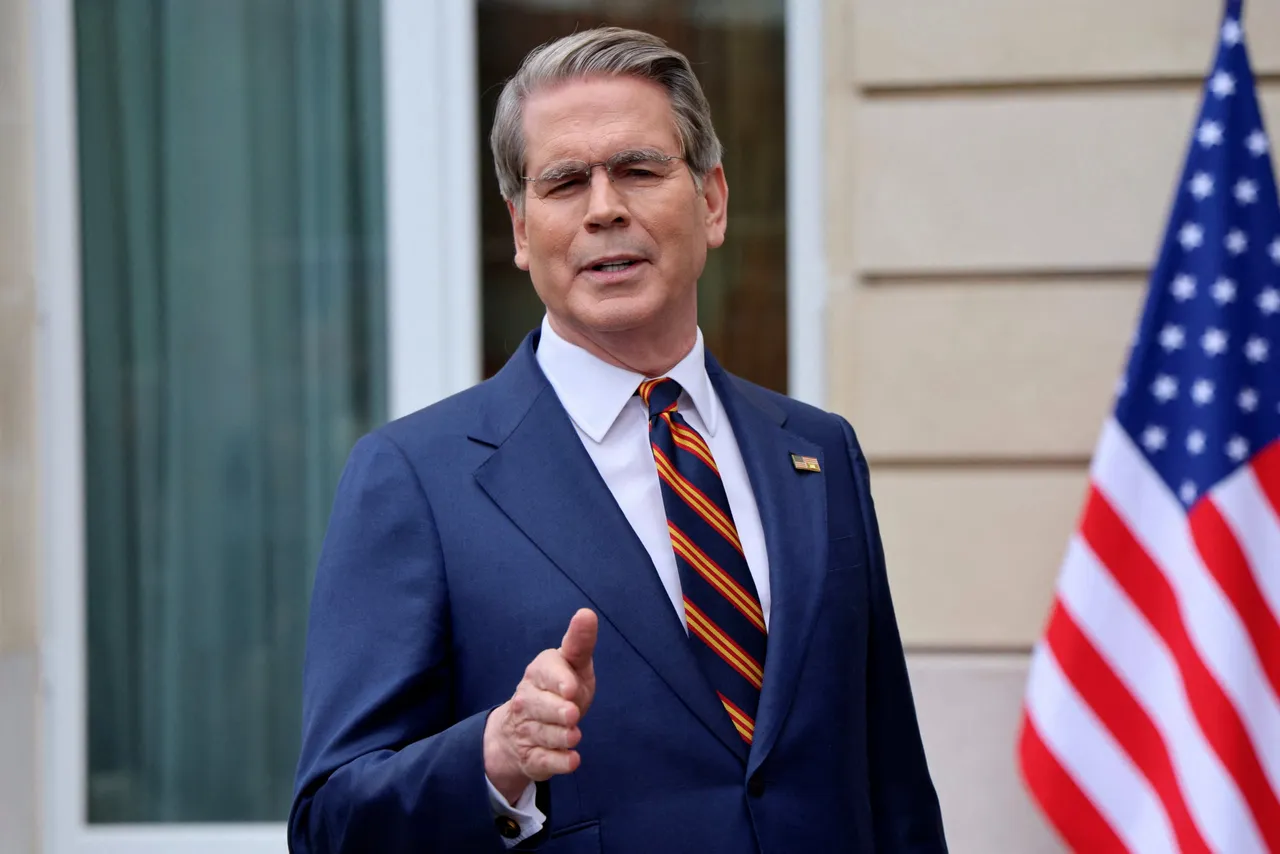
US Treasury Secretary Scott Bessent addresses journalists during a press statement with US Trade Representative Jamieson Greer (unseen) following a new round of trade discussions with Chinese officials at the OECD Headquarters in Paris on March 16, 2026. (Photo by Ludovic MARIN / AFP via Getty Images)
“The American people, are beginning to understand, thanks to President Trump, that there is no prosperity without security,” the secretary told Welker on “Meet the Press.”
The White House did not immediately respond to the Daily Caller News Foundation’s request for comment.
As the war began, however, during a period of unified Republican control of the U.S. government — and after Trump won a decisive 2024 victory after largely positioning himself as an opponent of war — Democrats sense an opening in the forthcoming midterms.
Affordability emerged as a key issue in the midterm campaign and Democratic candidates, running heavily on the issue, have already won a string of victories in the 2025 elections — months before the war broke out.
Democratic Florida State Rep. Emily Gregory, who flipped a heavily Republican district which encompasses Trump’s Mar-a-Lago residence Tuesday, told CNN’s Erin Burnett the U.S.’s increasingly high cost of living was mainly what she spoke to voters about on the campaign trail.
“Everyone is feeling that affordability crisis, and the last thing that Florida families needed when they’re struggling is $4 gas,” Gregory said on the night of her victory.
All content created by the Daily Caller News Foundation, an independent and nonpartisan newswire service, is available without charge to any legitimate news publisher that can provide a large audience. All republished articles must include our logo, our reporter’s byline and their DCNF affiliation. For any questions about our guidelines or partnering with us, please contact licensing@dailycallernewsfoundation.org.





![James Carville Admits Democrats Had No Shutdown Endgame, Mishandled Strategy [WATCH]](https://www.right2024.com/wp-content/uploads/2025/11/1763070634_James-Carville-Admits-Democrats-Had-No-Shutdown-Endgame-Mishandled-Strategy-350x250.jpg)
![CNN's Kaitlan Collins Fact-Checks Rep. Jasmine Crockett Over False Trump Ballroom Claim [WATCH]](https://www.right2024.com/wp-content/uploads/2025/10/1761954330_CNNs-Kaitlan-Collins-Fact-Checks-Rep-Jasmine-Crockett-Over-False-Trump-350x250.jpg)

![Two Dead, 14 Injured After Gunfire Erupts Following College Football Game in Alabama [WATCH]](https://www.right2024.com/wp-content/uploads/2025/10/Two-Dead-14-Injured-After-Gunfire-Erupts-Following-College-Football-350x250.jpg)