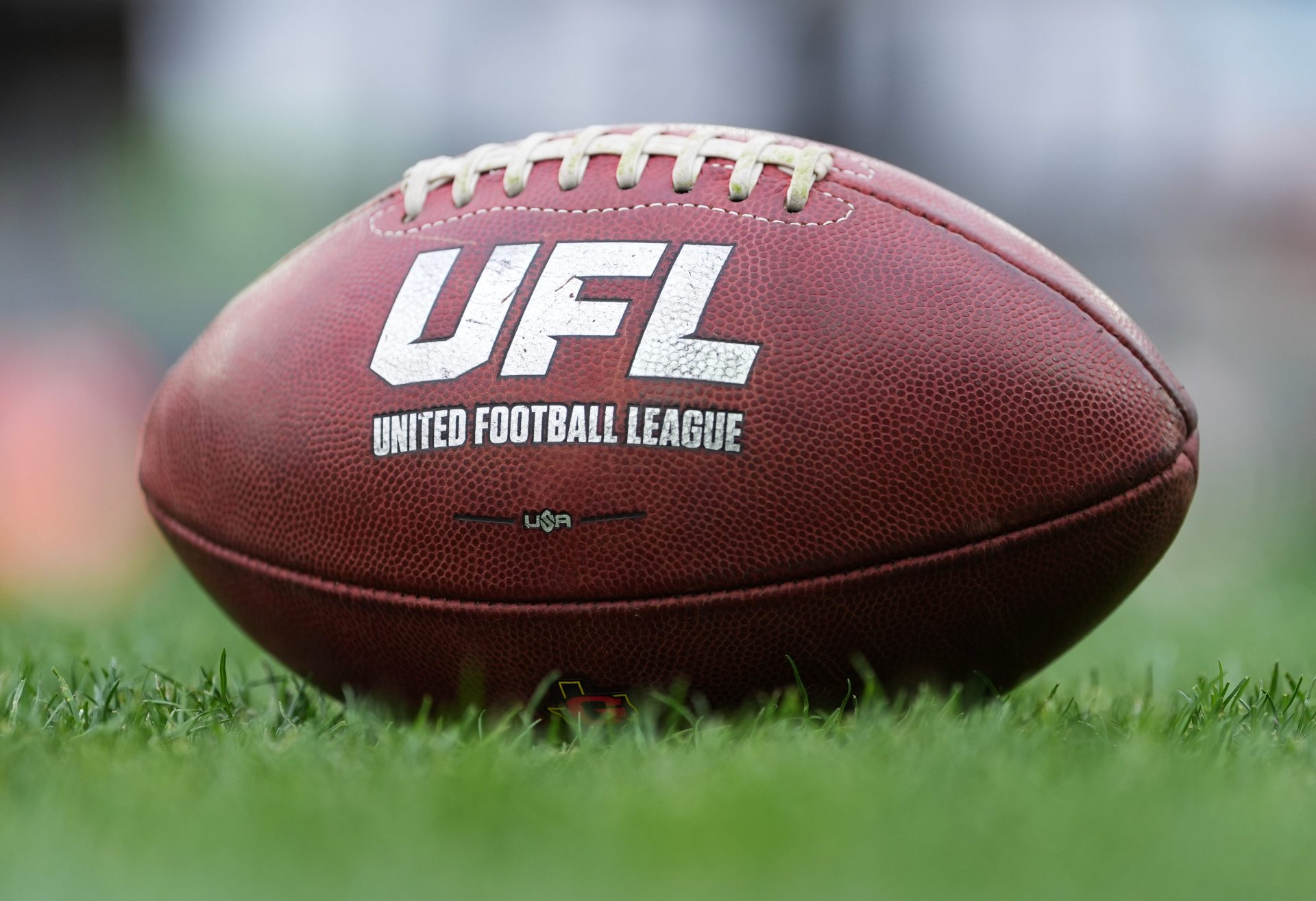
The United Football League is back for its third season, and Week 1 delivered the same truth the league keeps running into: spring football doesn’t have “attendance” so much as it has cities that show up and cities that don’t.
The loudest example came Saturday in St. Louis, where 31,191 fans turned out at The Dome at America’s Center for the Battlehawks’ opener against the D.C. Defenders. St. Louis won 16–10, and the crowd again looked like it was there to make a point as much as it was there to watch a spring league game.
A few states south, the contrast was harsh. The Dallas Renegades opened at Toyota Stadium in Frisco and drew 8,870 fans for a 36–17 win over the Houston Gamblers, roughly one quarter of the St. Louis number.
Here’s What They’re Not Telling You About Your Retirement
That spread is the story, and the UFL knows it. For 2026, the league shifted most teams into smaller venues, and Week 1 showed why: empty seats look a lot less brutal when the building is sized for what you can actually pull. Toyota Stadium’s capacity is listed at 11,000 in this context, which made Dallas’ crowd appear far less bleak than it would have in a 40,000-seat stadium where the camera shots do half the heckling for the fans.
The league’s newest market debut in Louisville landed in the “this is workable” category. The expansion Louisville Kings drew 14,034 fans to Lynn Family Stadium, a soccer venue with a stated capacity of 15,304. The crowd number was solid, the visuals looked full, and Louisville immediately felt like a market where the product can breathe.
Louisville’s opener also had the kind of moment the UFL absolutely does not need when it’s trying to convince casual fans it’s a serious league: a halftime incident involving fans and players from the Birmingham Stallions that turned into a drink-throwing situation. Receiver Justyn Ross had to be restrained twice during the dispute.
The bigger takeaway after the opening slate is that the UFL’s business model still hinges on market-specific intensity. St. Louis continues to be the league’s tentpole crowd, and it’s not subtle why: the Battlehawks have built a local identity that remains loud in the post-Rams era, and the dome lets that energy scale up without needing perfect weather or perfect timing.
This Could Be the Most Important Video Gun Owners Watch All Year
Dallas, meanwhile, is the reminder that “big market” doesn’t automatically translate to spring football demand. The league can shrink the building, tune the in-stadium presentation, and clean up the broadcast, but the main lever is the same as it’s always been: get people to care enough to show up.
The UFL’s 2026 venue strategy is basically an admission that vibe matters. Full-looking stands create urgency, urgency creates better TV, and better TV creates a chance at habit-building. You can’t build that when you’re playing in a stadium that looks like it’s set up for an event that never arrived. Week 1’s numbers, 31,191 in St. Louis, 8,870 in Dallas, and 14,034 in Louisville, show the league isn’t fighting one attendance battle. It’s fighting eight different ones, city by city, weekend by weekend.
The opinions expressed by contributors and/or content partners are their own and do not necessarily reflect the views of LifeZette. Contact us for guidelines on submitting your own commentary.






![Kamala Comes Unglued, Makes Bogus Claim About Her Landslide Loss to Trump [WATCH]](https://www.right2024.com/wp-content/uploads/2025/10/Kamala-Comes-Unglued-Makes-Bogus-Claim-About-Her-Landslide-Loss-350x250.jpg)