If you’re dashing to the shops today to buy dinner, you may look out for food labels bearing the Union flag or the phrase “Made in Britain”, because you want to buy high quality food and support British farmers.
British produce is grown, reared and produced to the highest standards of quality and welfare anywhere in the world. We can be proud of the standards we have set – and our farmers are proud to meet them. It is why so many of us make the choice to buy British in our shops.
From farm kitchens and auction marts, to village halls and rallies, my shadow ministerial team have been meeting thousands of farmers across the country to shape our policies for their futures. One of the frustrations raised frequently in these meetings is that food which is not genuinely British is often marketed as though it were. At present, the rules around the use of the British flag and descriptions like “Made in Britain” are lax and can give a misleading impression to consumers.
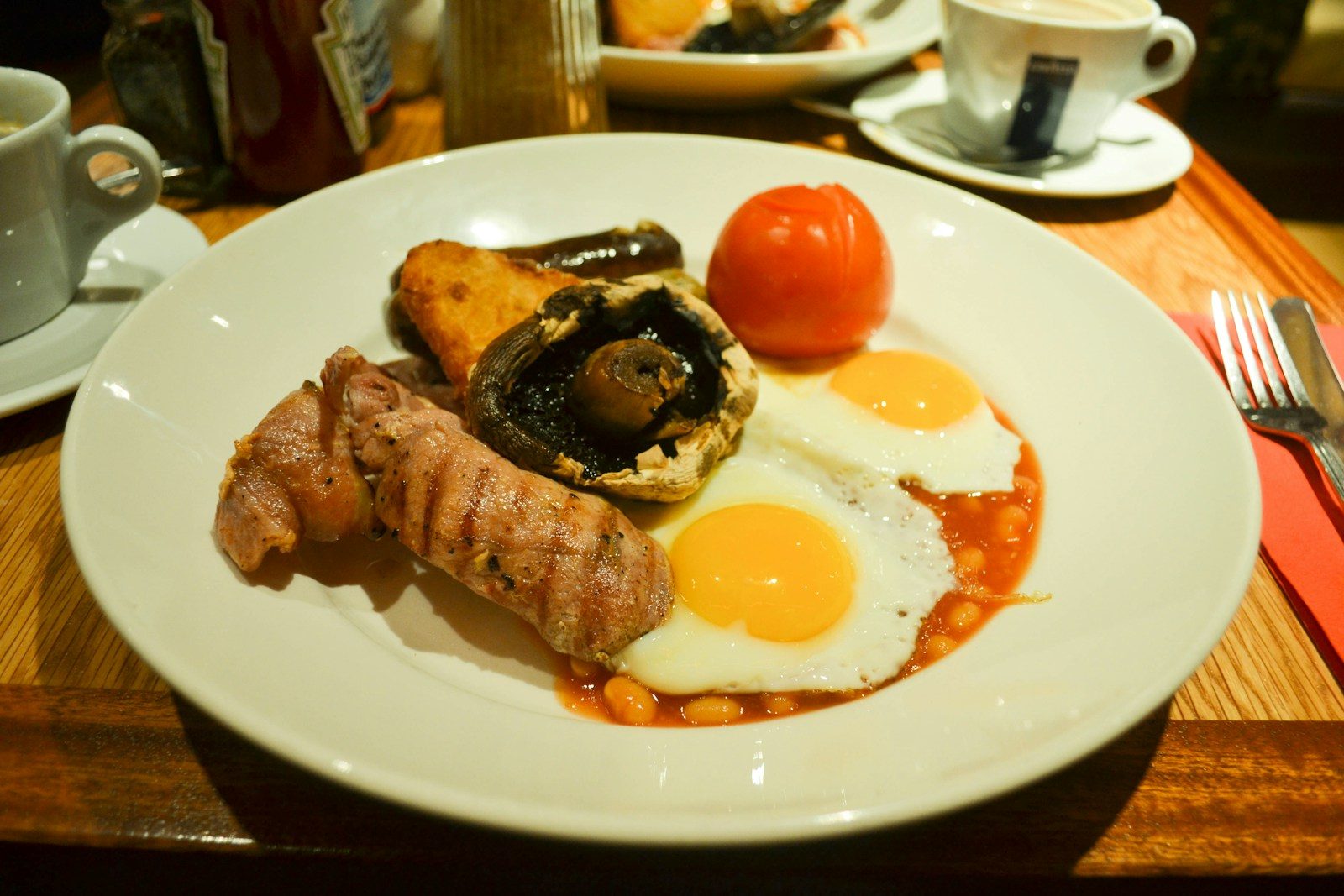
Take the staple of any proper British fry-up: bacon. Currently, a pig that is bred, raised, and slaughtered abroad, then transported to the UK for preparation and packaging, can be described as British when it is stacked in supermarket fridges.
To the public, when they have this explained to them, this seems wrong. People rightly believe that if a product carries the Union Jack or is described as “Made in Britain”, it should be entirely grown or raised in our country. Those who choose to buy British food ought to be able to trust the claims about origin on the labelling of the food they buy.
This system also creates an uneven playing field for British farmers. Our farmers operate under some of the highest welfare and environmental standards in the world. We can be proud of that. But there is a cost to maintaining these standards. And that investment is undermined if lower quality imports can be processed in the UK and then marketed as British.
This is particularly significant at a time when many British farmers are struggling to make ends meet. From the Government’s disastrous decision to cut off farm payments without warning last year, which has caused cash flow crises across agriculture, as well as a bankruptcy-inducing carbon tax on fertiliser, to rising energy bills, labour costs, and ever-increasing bureaucracy, many are struggling. And that’s without mentioning the Family Farm and Family Business Taxes. It’s no wonder the Labour Government have overseen the highest number of farm closures on record in the last twelve months.
The Conservatives want to help farmers turn a profit whilst growing food and caring for the environment. That’s why my team is travelling the country, asking rural businesses how we can help them. One of the most frequently raised frustrations is the “flag loophole”; farmers see it as deeply unfair and damaging to their profits.
We have listened. That’s why we’ve announced we will close the loophole. That will help farmers, but also consumers. When shoppers choose to buy British food, they should be able to trust that the food they’re buying is exactly that.
The next Conservative government will change the rules so that where the Union Jack or claims such as “Made in the UK” are used, the produce must have actually been grown or reared in the United Kingdom.
For multi-ingredient foods, such as the British classic steak and ale pie, we will take a sensible approach by setting a percentage threshold for how much of the product must be British to display the flag or claim it was “Made in the UK”. This will ensure that everyday favourites are not prevented from using the flag simply because they contain ingredients such as pepper which cannot be grown in the UK.
We began this work in 2024, with a consultation that has been sitting on Labour ministers’ desks since the General Election. While Labour continues to dither and delay, we are working with farmers to develop a plan that will ensure British farming thrives.
This is not about shutting out imports. Britain will always trade with the world, and imported food will continue to play an important role in our food system. But consumers should be able to actively support British farming through making informed choices about the food they’re choosing.
In the months ahead we will set out more of our plans to help agriculture and the wider rural and coastal economies through business-friendly policies and de-regulation.
This Labour Government is destroying farming. By reversing their most damaging policies, like the Family Farm and Business Taxes, and bringing home the bacon by closing the “flag loophole”, we can ensure farmers thrive, and consumers can choose to “eat for Britain”!




![Donald Trump Slams Chicago Leaders After Train Attack Leaves Woman Critically Burned [WATCH]](https://www.right2024.com/wp-content/uploads/2025/11/Trump-Torches-Powell-at-Investment-Forum-Presses-Scott-Bessent-to-350x250.jpg)