Don’t miss the full story, whose reporting from Michael Casey at The Associated Press is the basis of this AI-assisted article.
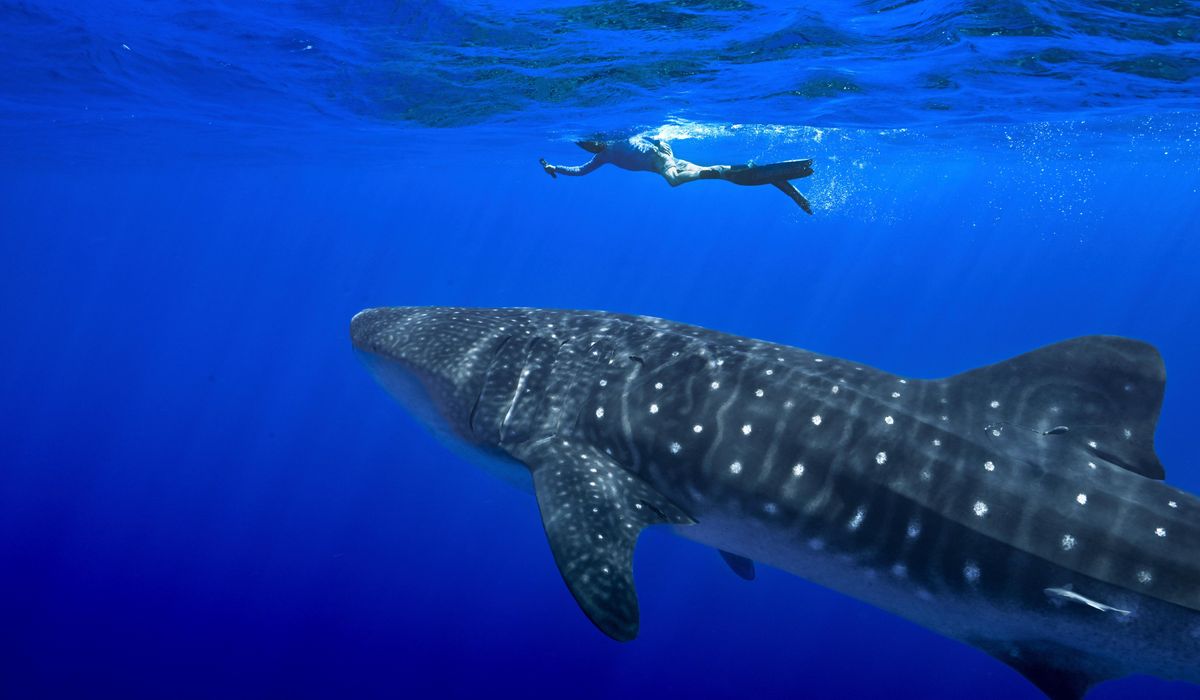
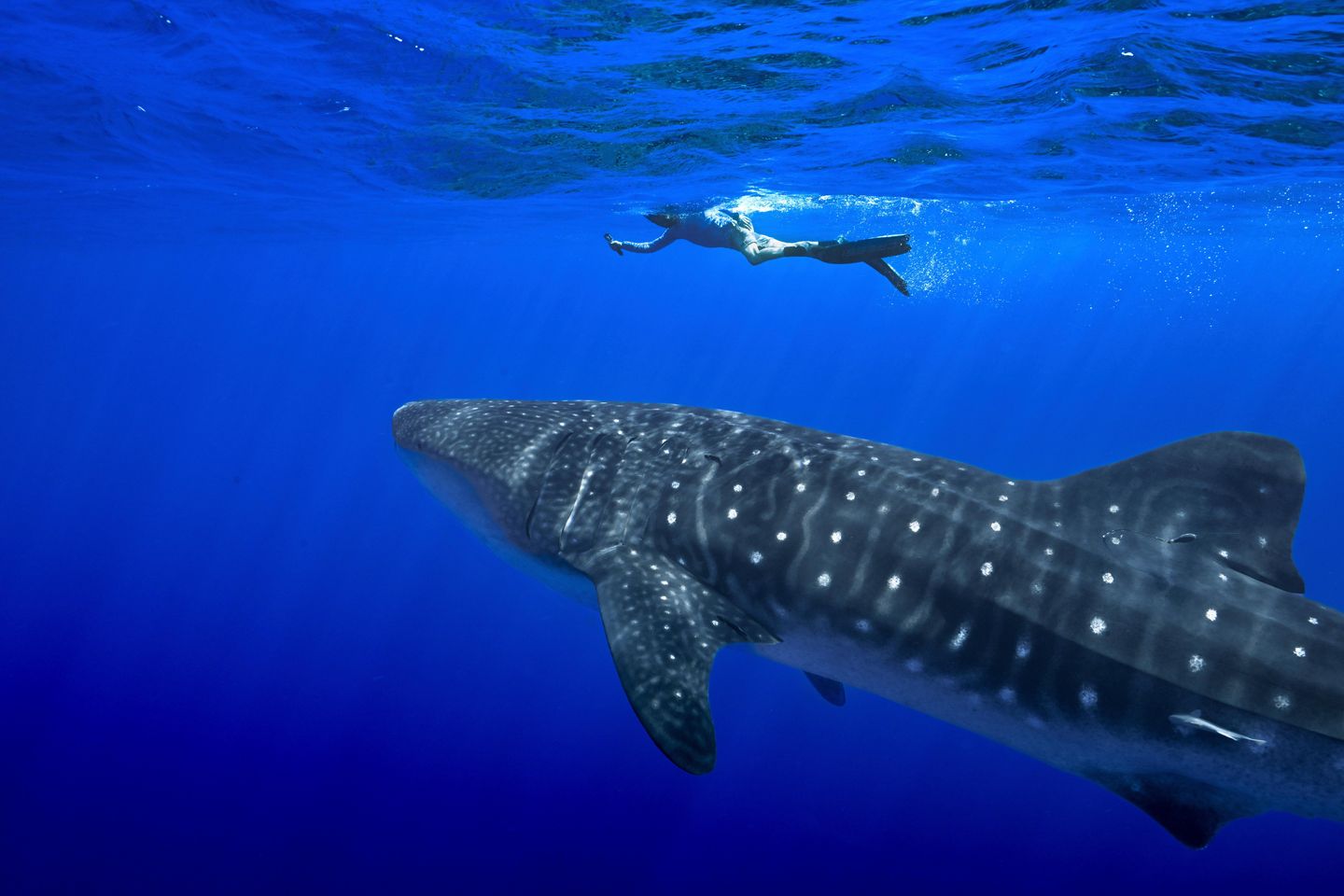
Governments at a wildlife trade conference in Uzbekistan have adopted protective measures for more than 70 species of sharks and rays amid concerns that overfishing is pushing many toward extinction.
Some key facts:
• The Convention on International Trade in Endangered Species of Wild Fauna and Flora approved bans on trade in oceanic whitetip sharks, manta and devil rays, and whale sharks.
• Governments enacted zero-annual export quotas for several species of guitarfishes and wedgefishes, effectively halting most legal international trade.
• More than 37% of shark and ray species are currently threatened with extinction.
• Over 100 million sharks are killed every year, primarily for their fins, meat, oil, and gills.
• The measures strengthen regulations for gulper sharks, smoothhound sharks, and the tope shark, requiring proof that sources are legal, sustainable, and traceable.
• At the previous conference in Panama in 2022, governments increased protections for more than 90 shark species.
• Governments rejected efforts to weaken trade regulations for elephants and rhinos at this year’s conference.
• The international wildlife trade treaty was originally adopted in 1975 in Washington and has helped stem illegal trade in ivory, rhino horns, whales and sea turtles.
READ MORE: Governments endorse greater protections for sharks amid concerns about overfishing
This article is written with the assistance of generative artificial intelligence based solely on Washington Times original reporting and wire services. For more information, please read our AI policy or contact Ann Wog, Managing Editor for Digital, at awog@washingtontimes.com
The Washington Times AI Ethics Newsroom Committee can be reached at aispotlight@washingtontimes.com.






![Donald Trump Slams Chicago Leaders After Train Attack Leaves Woman Critically Burned [WATCH]](https://www.right2024.com/wp-content/uploads/2025/11/Trump-Torches-Powell-at-Investment-Forum-Presses-Scott-Bessent-to-350x250.jpg)