
In Paul Yeulett’s apt piece on the Quiet Revival in the March edition of ET, he offered some important points as to how this might go off track and melt into a spiritual vapour. Paul offered six warnings, and these are well taken.
The ‘Quiet Revival’ may be quiet, but is it a revival?
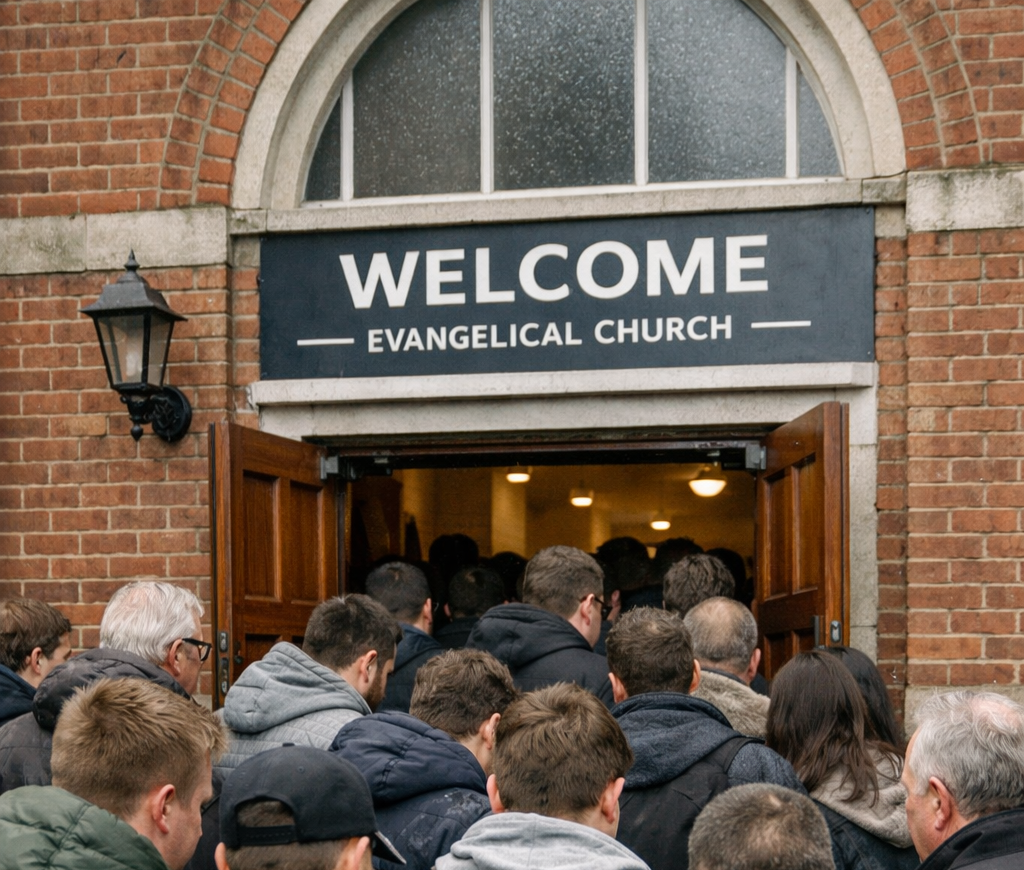
You may have heard a fair bit about the so-called ‘Quiet Revival’, a surge of interest in Christianity and church-going, especially among young adults
I would like to respond, not so much to counter his points, but to use them as six areas for further self-examination and exploration. I shall take each point as a mirror with which to examine ourselves as Reformed and evangelical Christian churches in order to probe our own understanding and presentation of the gospel today.
1. Cultural Christianity
The article rightly warns against a surface adherence to a moral veneer of Christianity, together with the social benefits it brings, such as moral stability, and a mooring for life that is not subject to the flux of the zeitgeist. This is, of course, true, and the warning needs to be heeded.
But is there a further point to be made? Great Britain stands on a moral foundation grounded institutionally, not just in the moral preferences of individuals who retain the practice of certain convictions. That is to say, the moral life of the culture is not grounded in personal choice alone, but in a received heritage.
Inevitably that received heritage and its accompanying institutions is imbibed not only by self-conscious believers in the Christian faith, but in the unconscious milieu, the assumed cultural values of society and nation. As such, that is a good thing. This brings stability and grounding for everyone whether or not individuals have a self-conscious adherence to its foundation.
— This article continues for ET members