Scientists identified the remains of a teen U.S. soldier who went missing during the Korean War, according to the Defense POW/MIA Accounting Agency (DPAA).
U.S. Army Sgt. Celestino Chavez, Jr., 19, was killed during fighting in 1950, a DPAA press release said. Chavez Jr. of Gallup, New Mexico, was serving in the 7th Infantry Division’s Automatic Weapons Battalion with the 15th Anti-Aircraft Artillery’s D Battery.
He was wounded while holding ground close to the Jangjin, or Chosin, Reservoir and was moved to an aid station Nov. 30, 1950. The soldier was declared missing in action Dec. 2 when the enemy ambushed his convoy while it was going to Hagaru-ri.
The U.S. Army presumptively declared Chavez Jr. deceased Dec. 31, 1953 after they did not find any evidence indicating he was still alive or was being kept as a prisoner of war, according to the DPAA. Chavez posthumously received the Silver Star for his actions during the Nov. 30, 1950 assault.
North Korean Supreme Leader Kim Jong-un turned over 55 boxes reportedly holding the remains of U.S. soldiers killed during the Korean War in July 2018 after a summit with President Donald Trump the previous month. Through DNA testing, anthropological analysis and circumstantial and material evidence, the DPAA was able to identify Chavez, Jr.’s remains. He was officially accounted for on April 15, 2025.
Chavez, Jr.’s mother, Lupita, said she last heard from her son on Nov. 27, 1950, a news clipping released by the agency said, CBS News reported. She recalled receiving a letter stating, “If anything happens to me, please mother, no tears.” (RELATED: 250-Year-Old Artifact Sheds Light On Thomas Jefferson’s Monticello Beginnings)
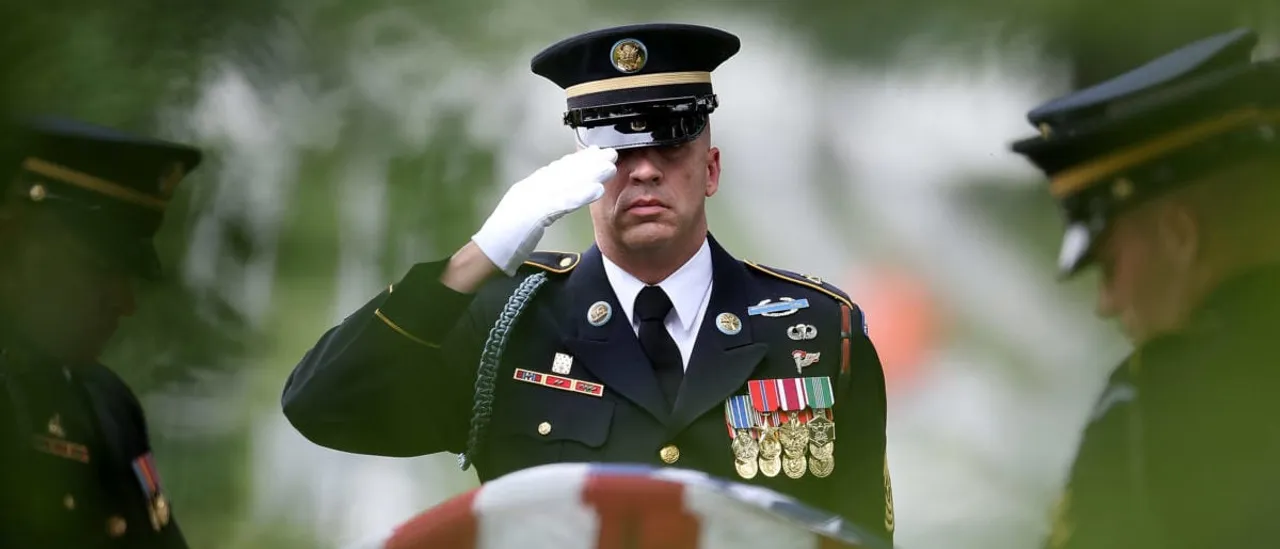
A burial service for Chavez, Jr. is scheduled for April 15 in his home state of New Mexico, according to a post from the New Mexico National Guard. He will receive full military honors.
Chavez, Jr. was the only person from Gallup, New Mexico, to be unaccounted for from the Korean War, a local news clipping referenced by CBS News read. Under 7,500 Americans from the Korean War remain unaccounted for, according to the DPAA’s website.